


For Aviation History Month, Bell examines how the first-ever rescue using its helicopters laid the foundation for today’s HEMS missions
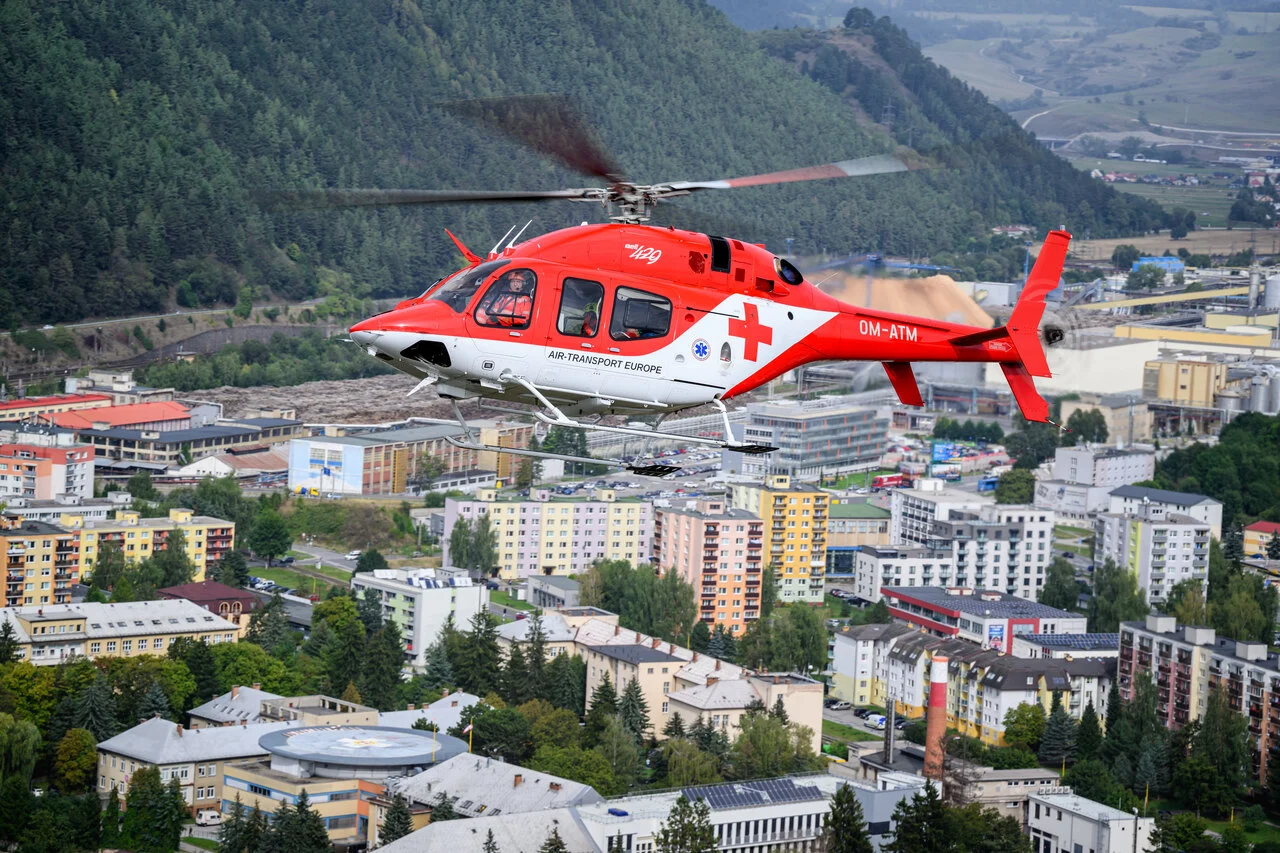
“In this field, you hear the phrase ‘minutes matter’ pretty often. The truth is, it really does come down to how fast can you get to the scene and give people the life-saving treatment they need,” said Steve Soliz, HEMS segment manager, Bell, as he reflects on his own experiences as a civilian flight nurse and a U.S. Air Force flight medic and nurse.
“We have thousands of operators who step into our Bell aircraft every day and fulfill their duties to make the community safer. We owe it to them to offer products that they can rely on,” followed Soliz.
Today, helicopters are being used to operate in some of the world’s most challenging environments as they support the crews undertaking complex missions. But it wasn’t that long ago that helicopters became the go-to solution for rescue missions.
The date is January 1945. During an intense snowstorm, experimental test pilot, Jack Woolams, suffers a catastrophic aircraft crash in Lockport, New York. Bailing out of his P-59A Airacomet, Jack sustains significant injuries, but he drags himself through heavy snow to a farmhouse. The snow is so thick that it will stop an ambulance from being able to get to him. In desperate need of medical attention, and with no other access to help, Floyd Carlson, Bell’s chief test pilot, flies a doctor directly to Jack in his Bell Model 30, where he is stabilized until an ambulance can arrive.
Floyd’s actions not only saved Jack’s life, but it was also the very first HEMS mission performed by a Bell Helicopter, which followed the first ever helicopter rescue just nine months earlier.
In the decades since Carlson’s flight, helicopter technology advanced considerably due to improvements in engineering, navigation and communications, transforming rescue operations. Today, Bell helicopters are being used for a variety of HEMS missions, including patient transport, search and rescue, and natural disaster response. New and modern techniques, such as winching, allow rescuers to use their aircraft to recover people from remote and hazardous locations where landing is impossible, including vessels at sea, steep terrain and confined spaces.
For many missions, HEMS teams bring specialist medical personnel and equipment directly to patients, delivering time-critical care at the scene. This can be particularly important following serious road traffic collisions, major trauma, or medical emergencies in remote areas where access to hospital treatment by road may be difficult or delayed.
“Our mission remains the same as it was during the first rescue mission in our aircraft, we confidently stand by our HEMS operators by building products that are ready to respond at a moment’s notice,” added Soliz.
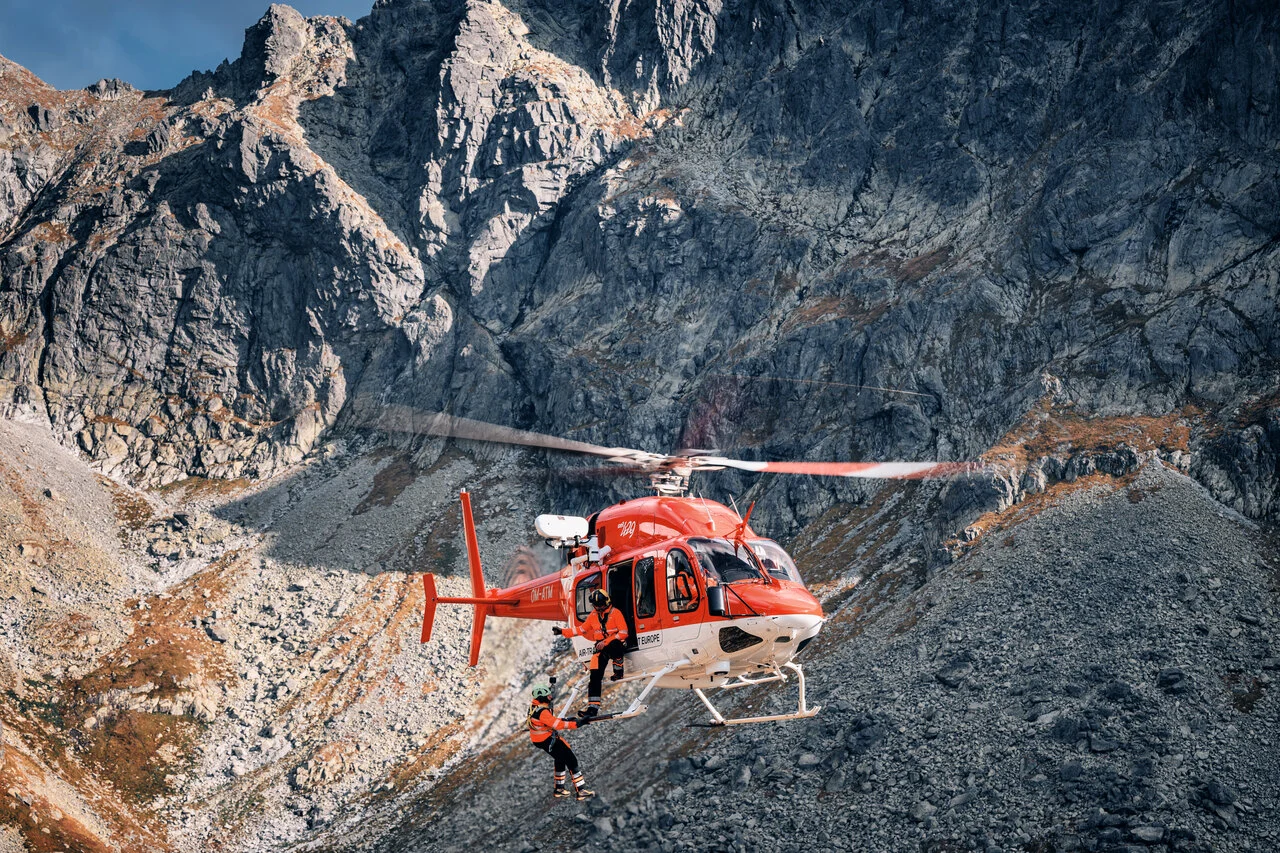
Since entering the market after type certification in 2009, the Bell 429 has earned its reputation as one of the leading platforms for HEMS missions. Combining speed, safety, cabin space and operational flexibility, the Bell 429 was specifically designed with medical operations in mind.
“Two things are important in getting to patients – speed and reliability. The 429 takes both of those qualities and puts it into one platform,” added Soliz.
The Bell 429’s twin-engine configuration provides an additional level of operational excellence, while its maximum cruise speed of approximately 150 knots allows patients to be transported rapidly to appropriate medical facilities.
The platform also offers a smooth ride, modern avionics and a configurable medical interior, making it suitable for a range of missions, from routine emergency transfers to specialist medical transport and challenging rescue operations.
The Bell 429’s design includes a spacious, flat-floor cabin that can accommodate up to two patients with two medical crew members, or one patient with additional medical personnel, depending on the configuration. Its wide cabin doors and optional rear clamshell doors allow medical teams to load and unload patients efficiently, reducing delays and making patient access easier during treatment.
Carlson’s rescue in 1945 illustrates how a pioneering use of helicopter technology helped determine the future of aerial rescue for Bell, influencing how it approaches what goes into its HEMS configured platforms.