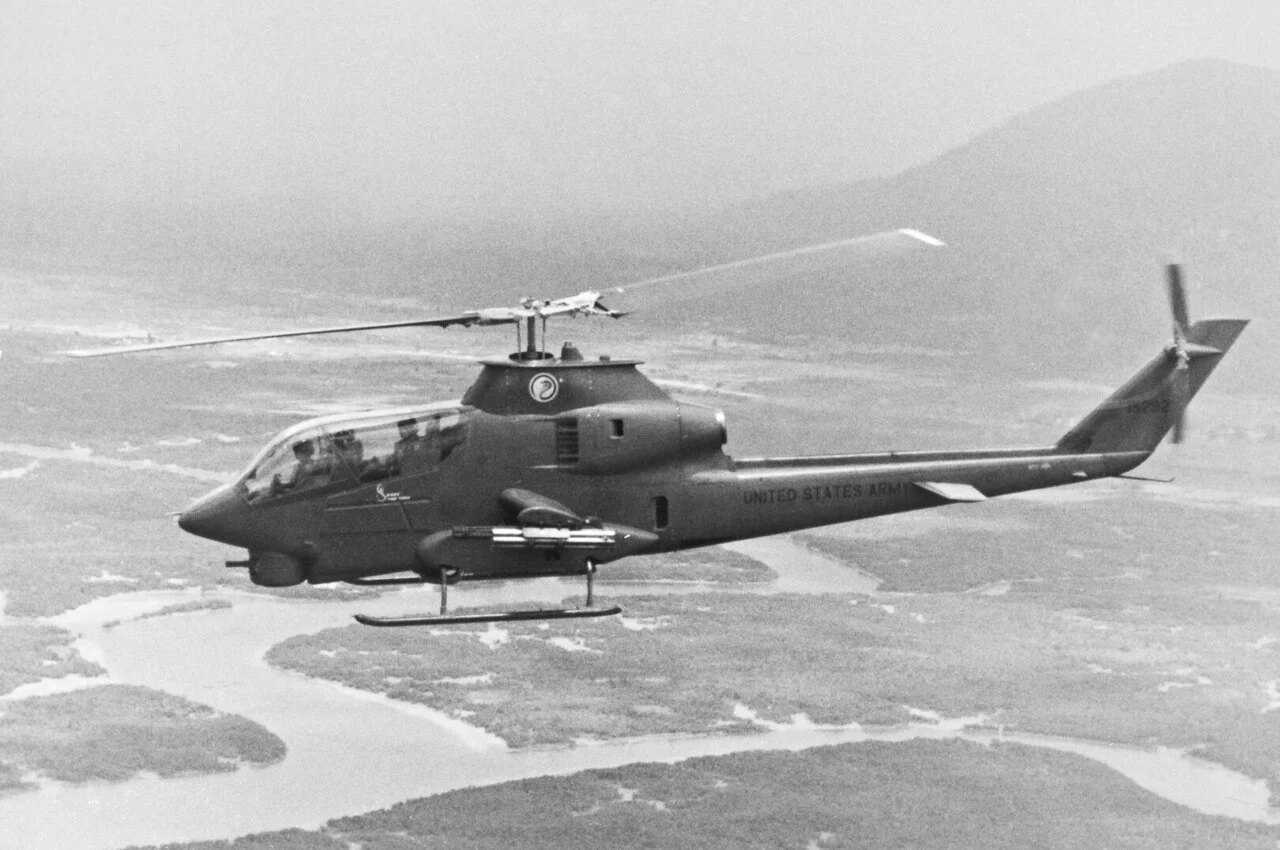
On September 7, 1965, the Bell AH-1 Cobra took its maiden flight setting the standard for attack helicopters, stemming from the standard set by the Huey for utility helicopters. The concept for most well-known attack helicopter was born from the problem that faced military commanders during the Vietnam war.
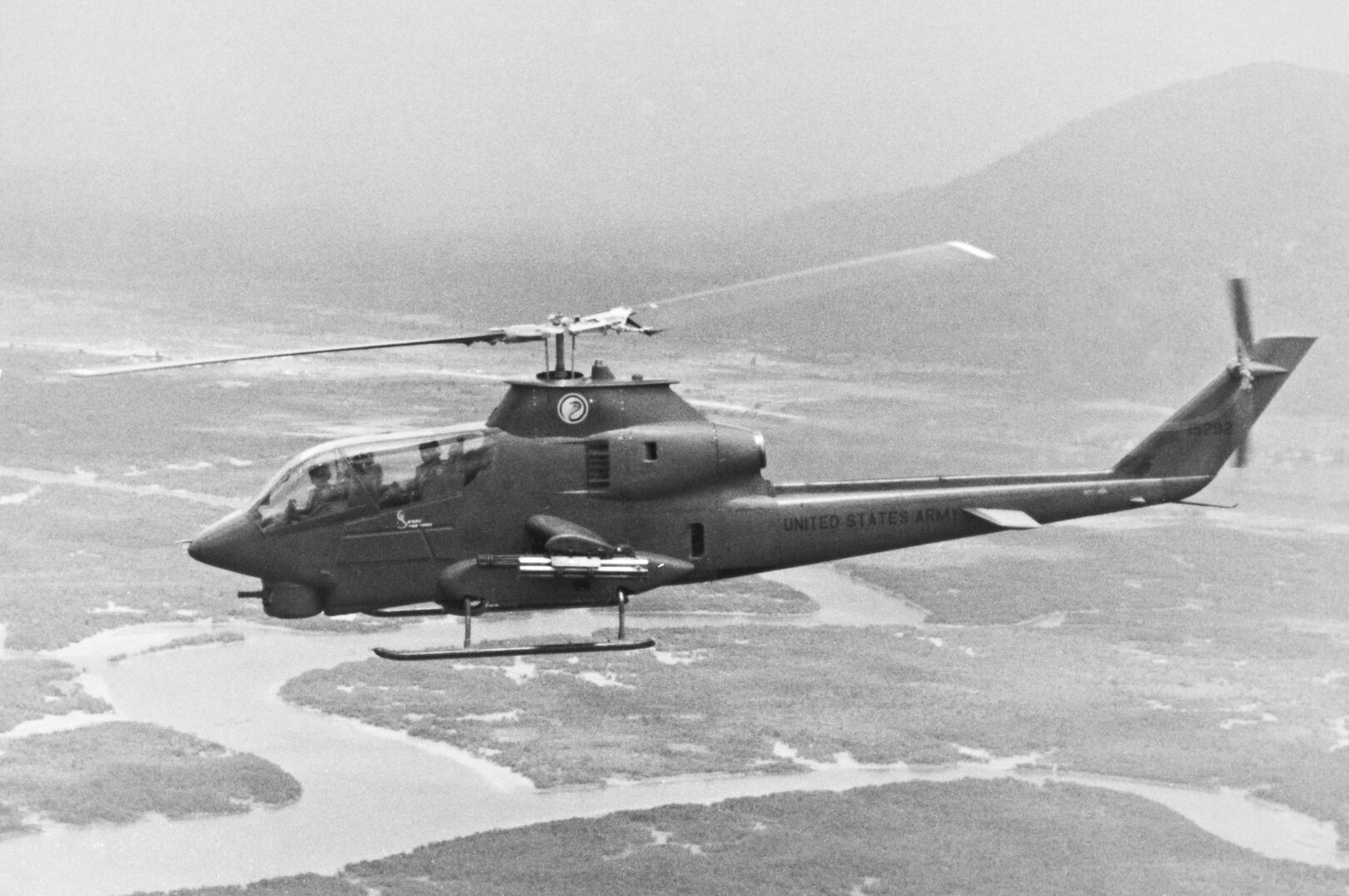
By the mid-1960's, the U.S. was fully embedded in the Vietnam War and the latest UH-1, along with the CH-47 were deployed as gunships to suppress the enemy while troop transport aircraft were dropping off cargo.
However, due to the gunships traveling at a much slower rate than the troop transport, it created a dangerous situation when the armed escorts were traveling far too slow to keep up. The transports had to make the decision to either slow down - giving the enemy more time to prepare for the incoming advancement – or abandon the gunships which removed the support and cover fire needed for a successful and safe egress.
To address this issue, the U.S. Army launched the Advanced Airial Fire Support System (AAFSS) program calling for an armed helicopter capable of at least 200 miles per hour. Although Bell was not selected to compete in the program, Bell employee, Mike Fosle, led a team that developed a new gunship based on the UH-1.
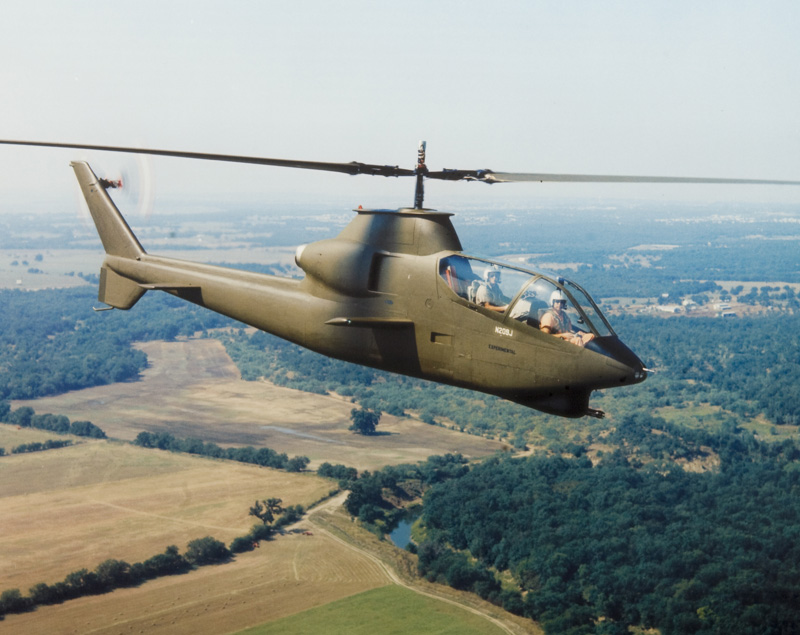
From this, the Model 209 prototype was born. Despite a different design with chin mounted machine guns, stub wings, and a tandem cockpit configuration, much of the aircraft consisted of approximately 80 percent of existing UH-1 elements and parts – a commonality that remains in today's variants.
On September 7, 1965, the Model 209 prototype made its maiden flight that was attended by 20 U.S. Army officials. By April 1966, the US Army signed a production contract for an initial batch of 110 aircraft. Bell added “Cobra" to the UH-1 Huey nickname to produce the “HueyCobra" for the 209 and the Army adopted their own designation by applying “Cobra" to AH-1G.
On September 7, 1965, the Model 209 prototype made its maiden flight that was attended by 20 U.S. Army officials. By April 1966, the US Army signed a production contract for an initial batch of 110 aircraft. Bell added “Cobra" to the UH-1 Huey nickname to produce the “HueyCobra" for the 209 and the Army adopted their own designation by applying “Cobra" to AH-1G.
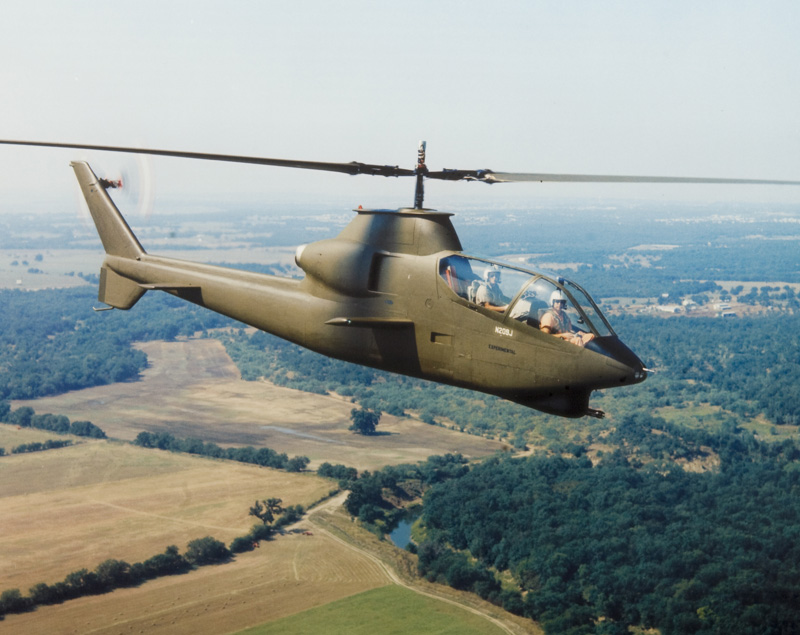
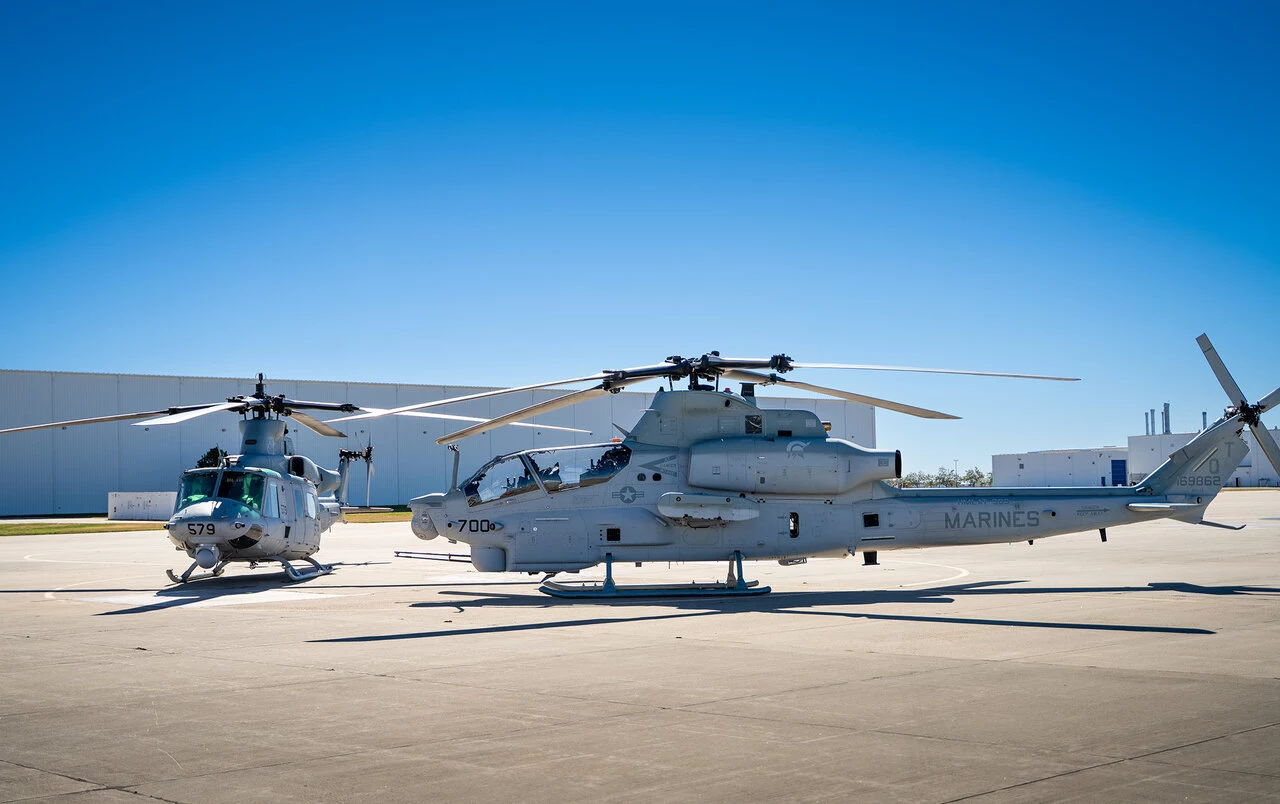
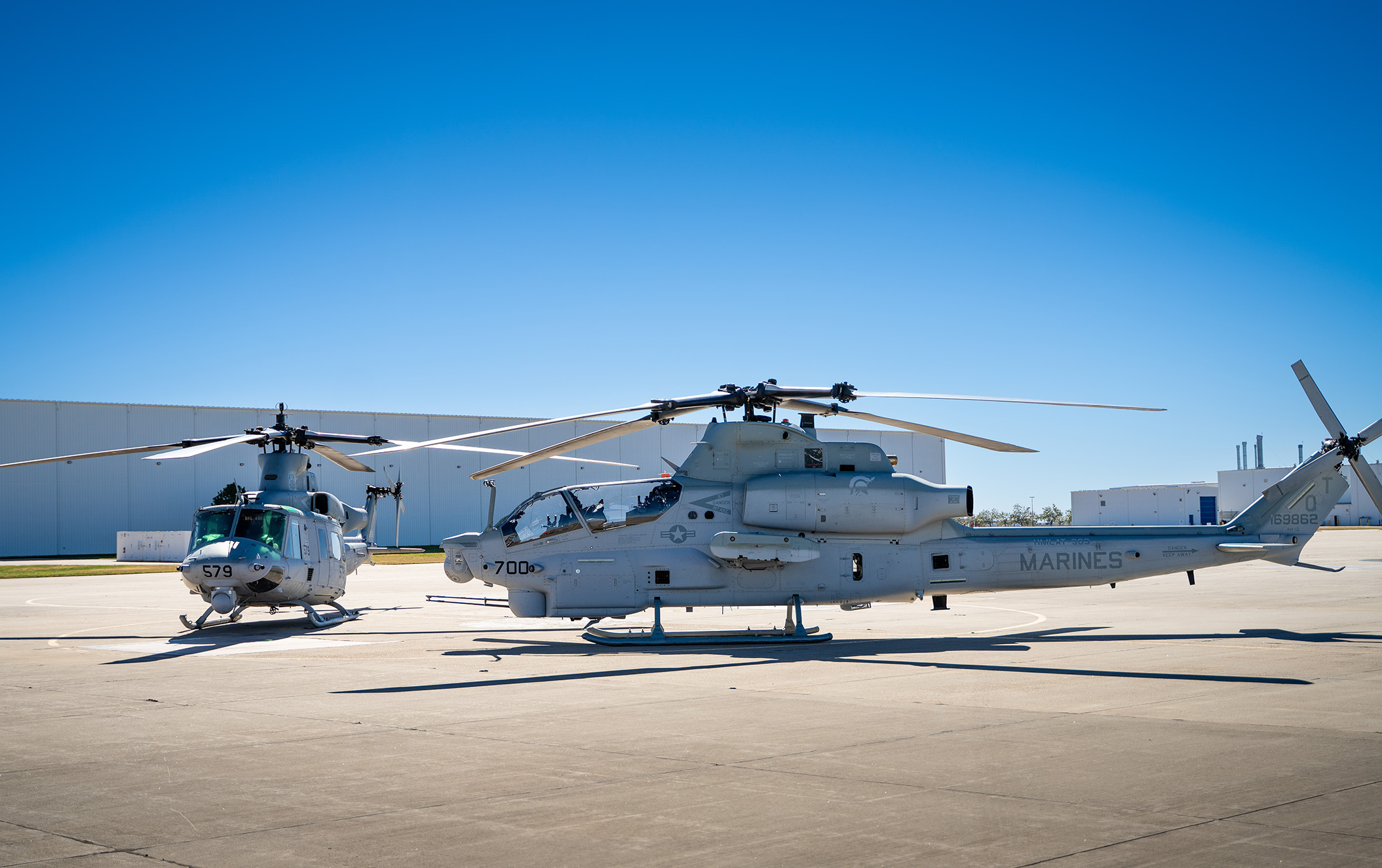
In the 61 years since its first flight, the AH-1 Cobra's lineage has continued in today's advanced AH-1Z Viper and continues to impress operators within the United State Marine Corps and internation customers that include Japan, Turkey, Bahrain, Czech Republic and others.
In the modern world that the AH-1Z lives and thrives in, it's vital to remain competitive with current and future capabilities. That is why in 2024 Bell launched the Structural and Power Improvements for NextGen Effects (SPINE) program to increase the Viper's lethality and survivability.
- Advanced and scalable architecture supporting rapid integration of current and future technologies
- A vital Series A capability that provides integration of net-enabled weapon systems and data links. (Series A: Improved defensive systems, digital interoperability, increased aircraft electrical power)
Series A Bell AH-1Zs Venoms will more effectively operate at altitudes and in environments exclusive to rotary wing platforms. Flying below radar resolution cells, the Viper will be undetectable to enemy radar while receiving target locations from Joint Force fixed wing assets that remain outside of the enemy's missile range.
This combined arms approach will leverage the strengths of both U.S. rotary wing and fixed wing platforms allowing USMC AH-1Zs to contribute to the maritime fight and Joint Force in ways previously unavailable to Combatant Commanders.
- First dedicated U.S. attack helicopter
- The AH-1 Cobra (starting with the AH-1G) was the first purpose-built attack helicopter in U.S. Army service, entering combat in Vietnam in the late 1960s.
- Narrow, tandem cockpit for survivability and performance
- It uses a slim fuselage with pilot and gunner sitting in tandem, reducing frontal area, improving agility, and making a smaller target compared to troop-carrying helicopters.
- Shared heritage with the UH-1 Huey
- Early Cobras borrowed many components from the UH-1 Huey (including engine and transmission), simplifying logistics and speeding development.
- Versatile weapons suite
- Typical armament included a chin turret with machine guns or grenade launcher, plus stub wings carrying rockets and later TOW/other guided missiles for anti-armor missions.
- Long service life and export success
- Cobra variants have served for decades with the U.S. Army and Marine Corps, and have been exported widely (e.g., Turkey, Israel, Japan, others), with some fleets still in use in upgraded forms.