


The Bell UH-1Y and AH-1Z are known by many names: Venom and Viper, Yankee and Zulu, or, more commonly, the H-1 family.
Their roles, however, are very different. The AH-1Z Viper is one of the world’s most capable attack helicopters, designed to deliver formidable firepower across a wide range of missions. The UH-1Y Venom is the versatile workhorse of the two, transporting personnel and equipment while providing a reliable airborne command-and-control platform close to the action.
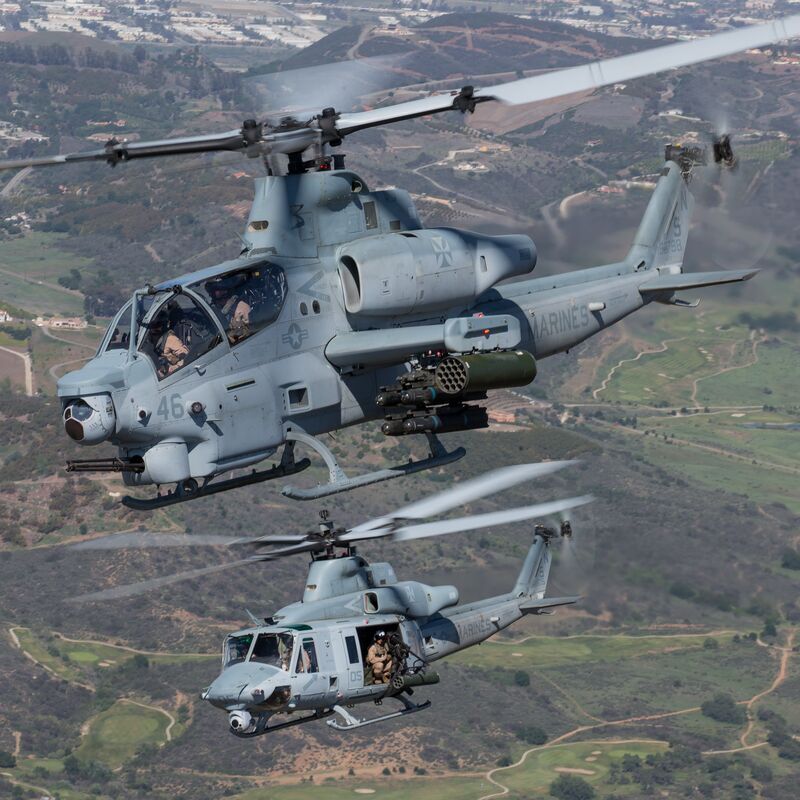
In appearance, purpose and capability, they may seem like two very different aircraft. Beneath the surface; however, they are closely related.
The Viper and Venom share an impressive 85 percent commonality. This commonality between the two platforms is far more than just common components – it equates into warfighting capability by way of common sustainment (parts, repair and test) and common operating systems that enable distributed operations and disaggregated supply and repair, which are the foundation of expeditionary warfare.
Commonality becomes particularly important during war, when a military force must maintain aircraft availability while operating under intense logistical and operational pressure. A high level of commonality can reduce the number of separate supply chains and specialist skills required to keep a fleet operational, which is crucial when bases, transport routes or supply depots are disrupted or attacked. When spares, equipment, and personnel are scarce, having more flexibility across the force can make all the difference.
Commonality can also support dispersed operations, enabling aircraft to operate from challenging locations without requiring each detachment to establish a separate support infrastructure. The Viper and Venom’s shared design and systems allow them to be supported through a largely common maintenance and logistics support system. For an operator, the value therefore extends beyond reduced lifecycle costs.
In a prolonged conflict, commonality can help simplify sustainment, accelerate maintenance and recovery, and improve the availability of aircraft. Ultimately, air force combat power depends not only on how many aircraft it operates, but on how many it can keep flying, and commonality can play an important role in supporting that capability.
The peacetime argument is that commonality saves time and money, but a wartime argument is that commonality can save lives. It allows scarce resources to be allocated effectively and creates negligible burden on logistics chains while fostering true resilience.
The commonality between the AH-1Z Viper and UH-1Y Venom is not simply a by-product of their shared heritage. It is a deliberate design philosophy intended to simplify the way the two aircraft are operated and sustained to integrate the highest level of capability within any fleet.
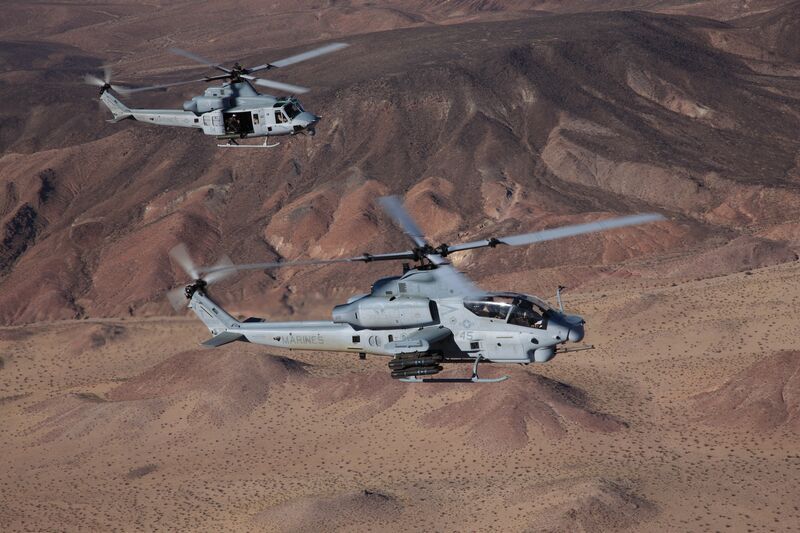
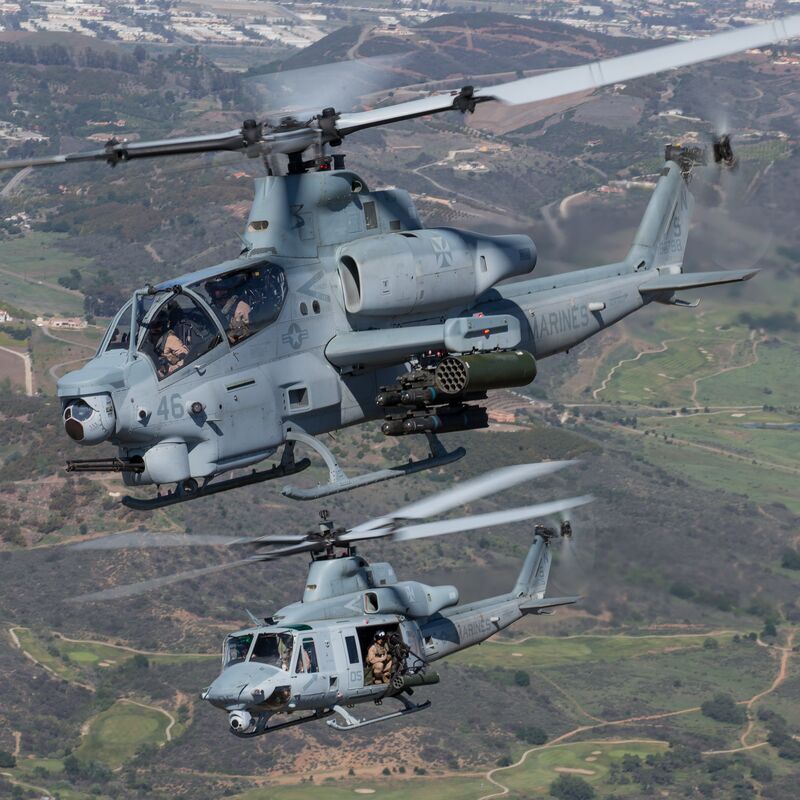
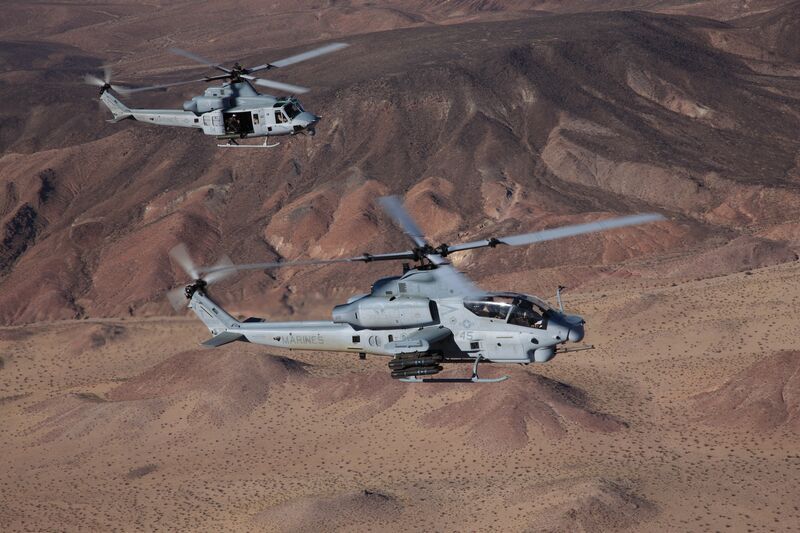
The commonality between the AH-1Z Viper and UH-1Y Venom is not simply a by-product of their shared heritage. It is a deliberate design philosophy intended to simplify the way the two aircraft are operated and sustained to integrate the highest level of capability within any fleet.
A common fleet approach can allow resources to be moved and prioritized more easily, helping commanders maintain the aircraft availability needed to sustain operations. This is particularly important for expeditionary forces, where the ability to establish and maintain vertical lift capability, with a limited logistical footprint, can directly influence what is operationally possible. The significance of the Viper and Venom partnership therefore extends well beyond the efficiencies gained during peacetime. Their commonality provides a foundation for a more integrated and potentially resilient force, allowing attack and utility capabilities to operate within the same broader support system.
The overriding lesson of the Viper and Venom is that commonality is about creating a more effective force that can be sustained more efficiently, adapted more readily, and kept operational for longer when the demands are at their greatest.
*The appearance of U.S. Department of War (DoW) visual information does not imply or constitute DoW endorsement.