


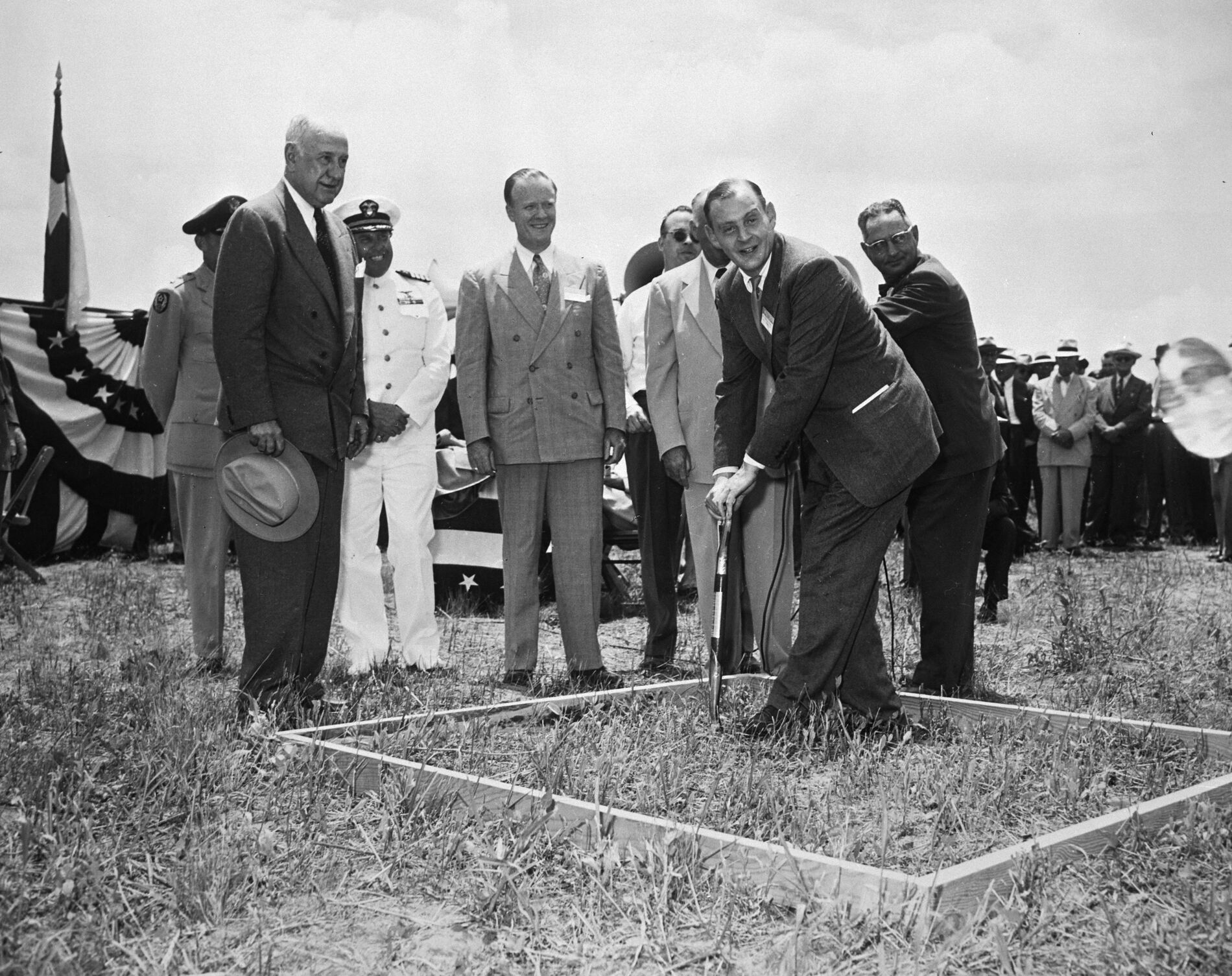
Bell Aircraft Corporation helicopter plant ground breaking ceremonies. Amon Carter (prominent Fort Worth civic leader), Harvey Gaylord (VP of Bell, leading new Helicopter division), TJ Harrell (VP of Fort Worth Chamber of Commerce).
In the 1940s, Lawrence “Larry” Bell saw something few others did: the future of vertical lift. When Bell Aircraft’s original home in Buffalo, New York could no longer support the company’s growing helicopter ambitions, he chose Fort Worth, Texas as the new home-base that would support the expansion of the company, a decision that would define Bell for generations. On May 21, 1951, Bell broke ground on what would become its home, and 75 years later, the company is still operating on the same land, now a multi-facility enterprise supporting vertical lift customers around the world.
Bell did more than grow in Fort Worth, Bell grew with Fort Worth. The city offered open land, access to airspace and the engineering talent needed to pioneer the next era of vertical flight. In return, Bell became an anchor of innovation, aviation expertise and economic strength for Fort Worth, which is now considered the official Aviation and Defense Capital of Texas. Once employing only 56 people in 1935, Bell now prides itself on having over 5,000 employees across Fort Worth and the surrounding area who contribute to its diverse commercial and military helicopter programs.
“For three quarters of a century, Bell and Fort Worth have grown side by side. This community gave us the foundation to imagine the future of vertical lift, and together we’ve turned that vision into reality,” said Danny Maldonado, president and CEO, Bell. “As we look ahead, our commitment remains the same: to invest in our people, strengthen our roots, and continue building the next generation of aviation right here in Fort Worth.”
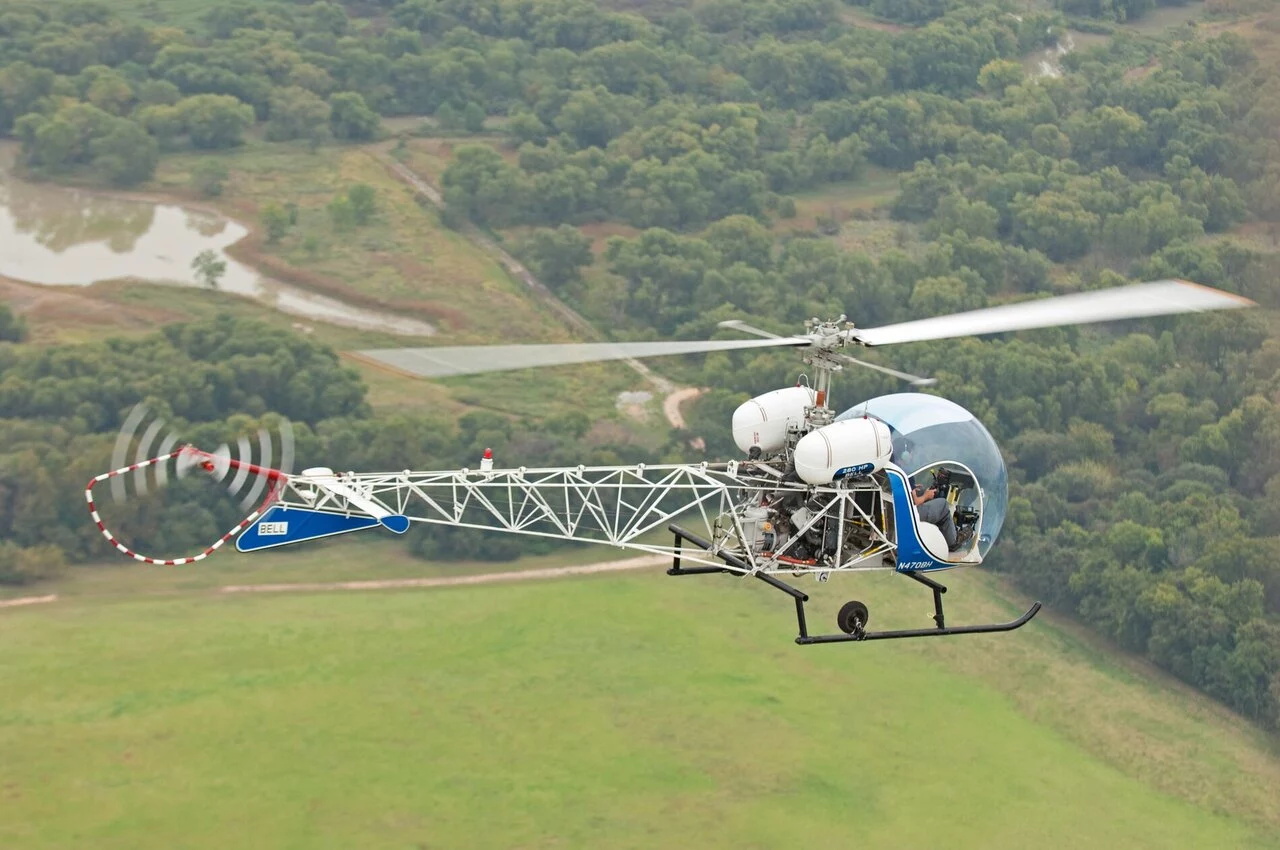
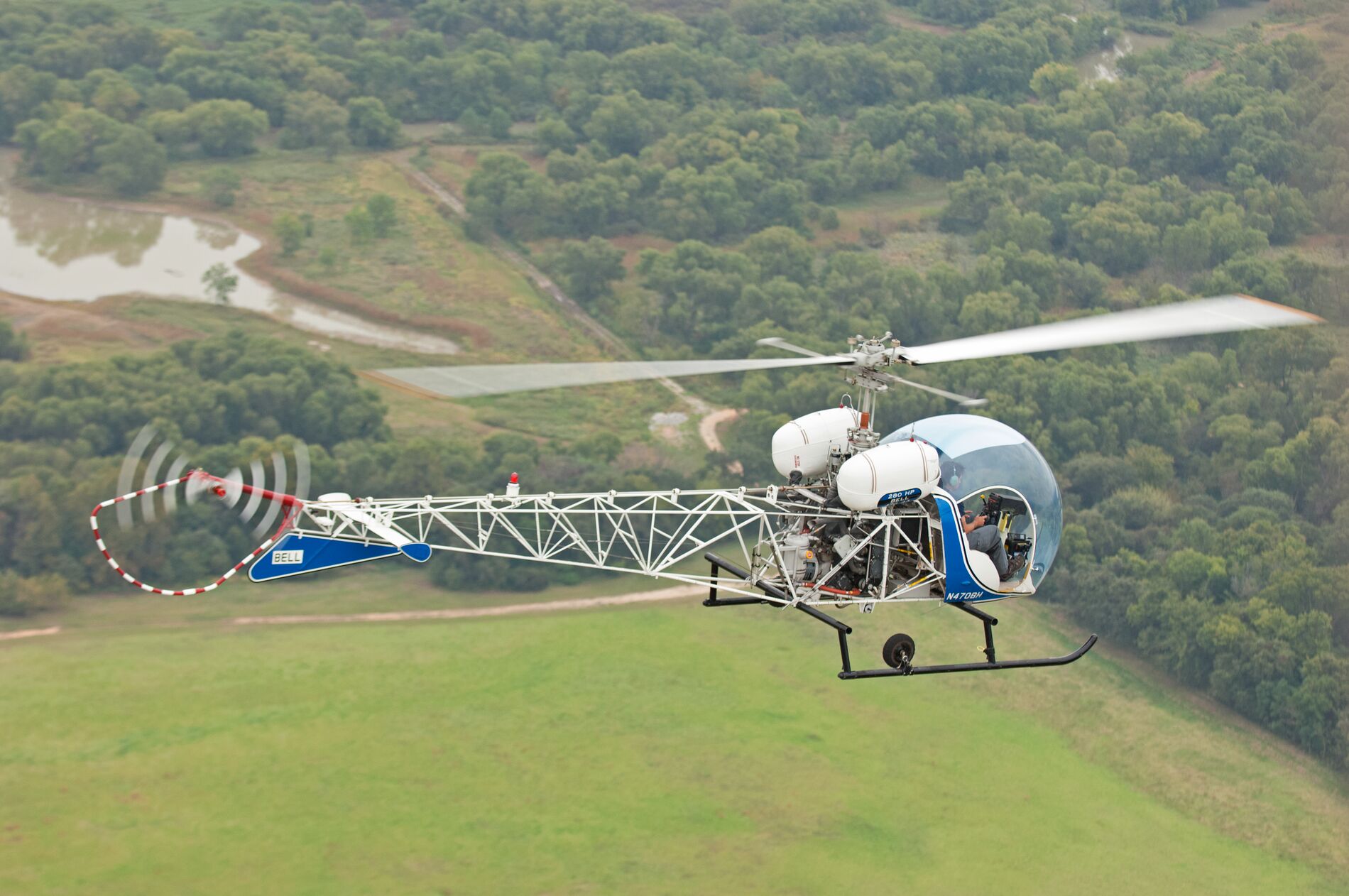
One of the earliest symbols of this shared growth was the first helicopter to receive commercial certification, the Bell 47G, the first helicopter entirely designed and built in Texas. More than an aircraft, it represented a promise that the work done in Fort Worth would reshape what is possible in aviation.
Additionally, the plans for Bell's commercial portfolio were developed in Fort Worth, along with the concepts for military rotorcraft including the Bell UH-1 Iroquois, the AH-1 Cobra, the Bell Boeing V-22 Osprey and the Bell MV-75 Cheyenne.
As Bell’s footprint in Fort Worth grew, so did its commitment to training pilots. The Bell Training Academy has served as a global hub for rotorcraft operations, and its Fort Worth presence reflects the company’s dedication to safety, capability and lifelong learning. The BTA has worked with 131 countries and over 230,000 students, giving pilots and operators hands-on experience with Bell aircraft.
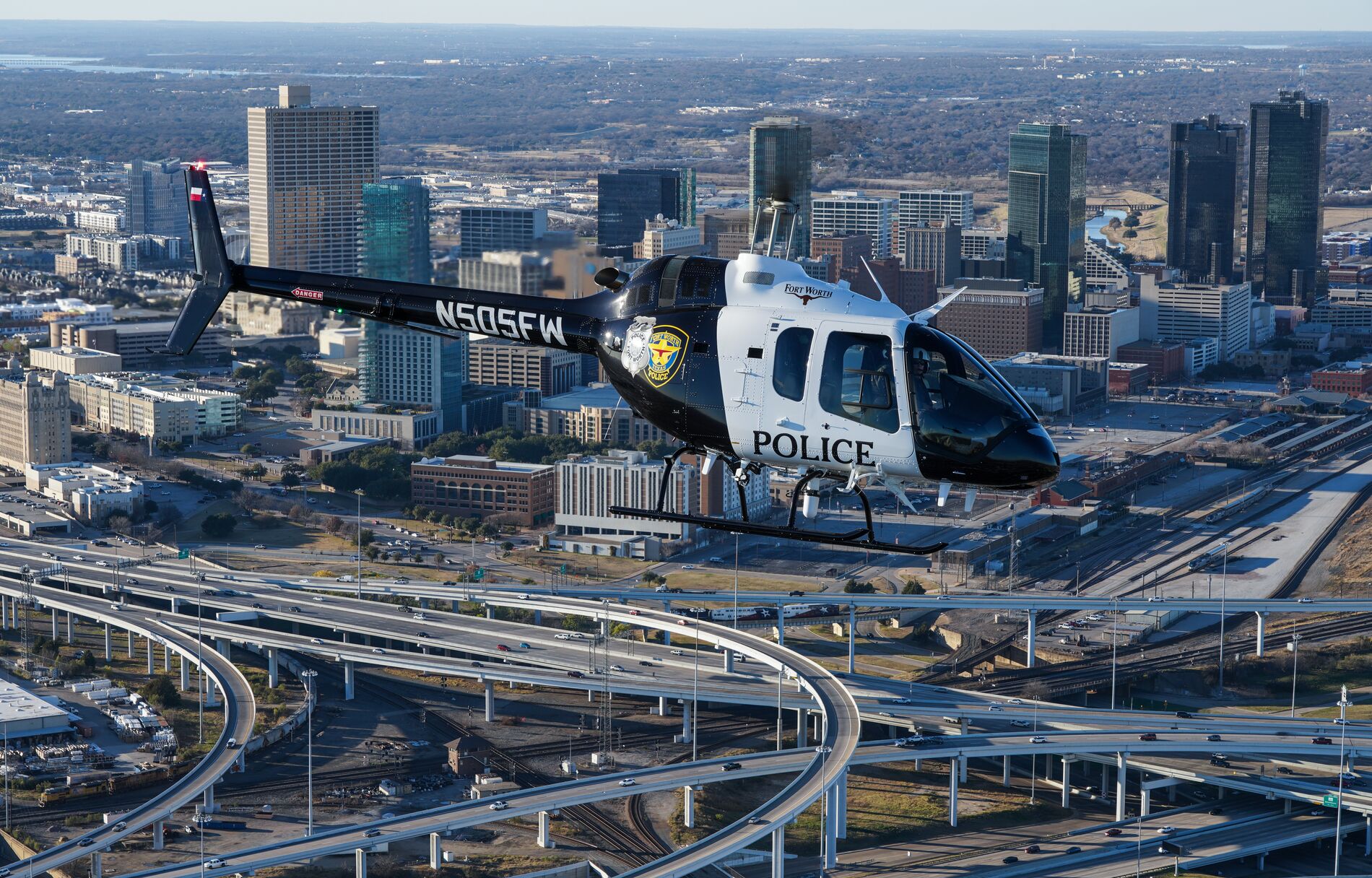
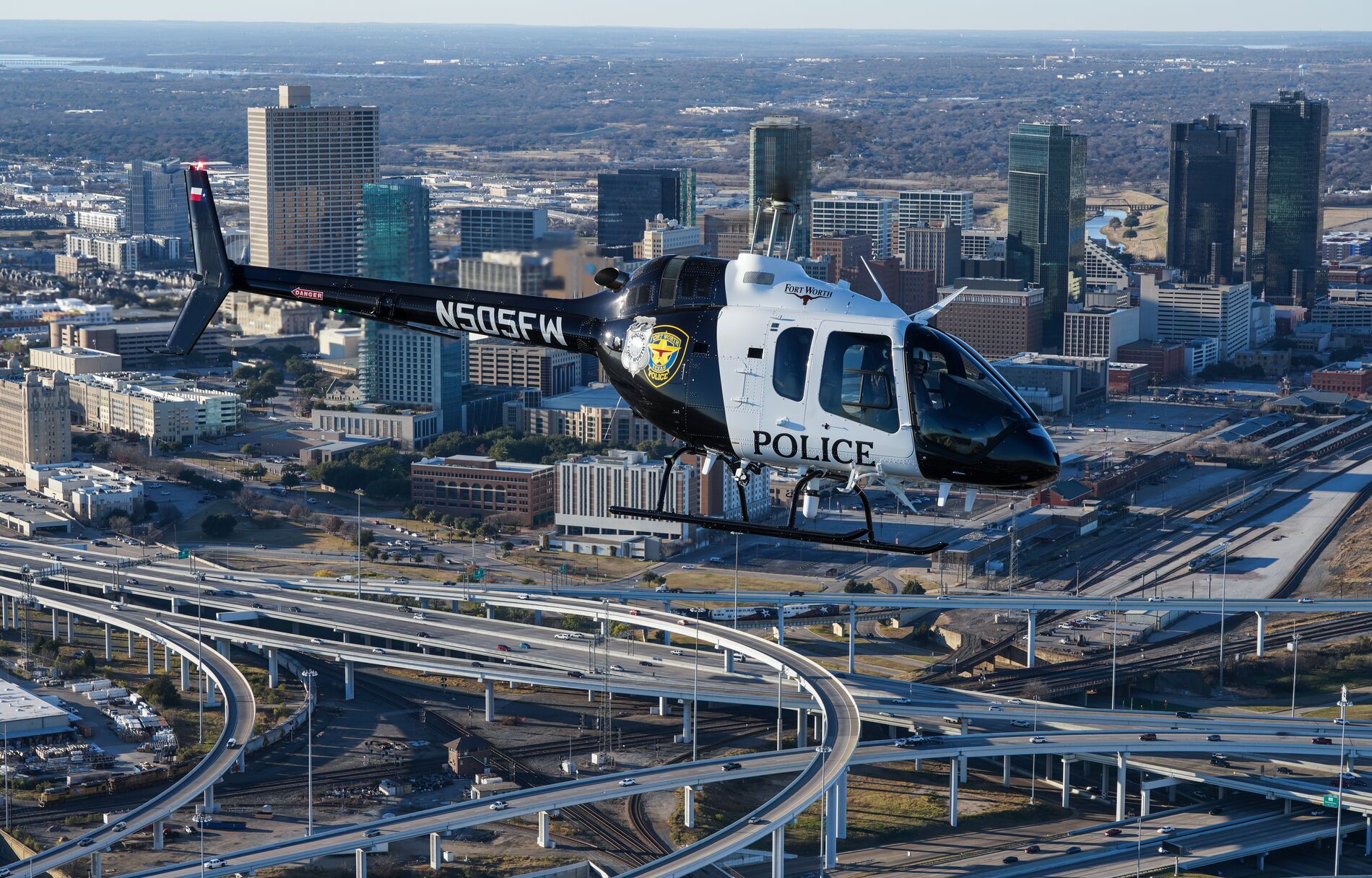
Since 1968, Bell has worked with local Texas operators such as the Fort Worth Police Department and the Texas Department of Public Safety for training opportunities, maintenance collaboration and specialized helicopter expertise that help enhance public safety across communities in the state. Additionally, Bell was the first to develop and offer night-vision training for pilots. These relationships reflect Bell’s belief that supporting the city and state is just as important as supporting national defense.
Fort Worth’s aviation story is also deeply tied to lifesaving missions across North Texas. Bell aircraft have been central to the region’s helicopter emergency medical services (HEMS) operations for decades, supporting organizations like CareFlite and Global Medical Response as they deliver quick, reliable medical transport. From early air-medical milestones to today’s advanced platforms, these missions highlight the role Bell plays in safeguarding the communities it calls home.
Today, as Bell advances as a global leader in aviation through its MV‑75 Cheyenne program, Fort Worth, again, plays a defining role. Decades of engineering, first rooted in this land in 1951, now power Bell’s most advanced aircraft development.
To meet the demands of MV‑75 Cheyenne production and testing, Bell has invested heavily across Fort Worth. New and modernized facilities span multiple sites, supporting composite creation. These spaces were designed not just to expand manufacturing capacity but to introduce cutting‑edge production capabilities that keep both Bell and Fort Worth at the forefront of aviation innovation.
Over the decades, Bell’s connection to Fort Worth has deepened as both the company and the city have evolved to meet the needs of a changing aviation landscape. Investments in advanced technologies, workforce development and long-term infrastructure have positioned Bell and Fort Worth to continue leading the future of vertical lift. This ongoing alignment ensures the region remains a global center for aerospace innovation while Bell builds on the legacy established here 75 years ago.
"Just as the Model 47 once proved what helicopters could achieve, programs like the MV‑75 Cheyenne will chart the next chapter of Bell’s history in Fort Worth," said Mattie Parker, mayor, Fort Worth, Texas. "For 75 years, Bell and the City have pioneered a proud legacy, and I'm ecstatic to celebrate our next chapter."