White Saddle Air: A Story of Family, Resilience, and Trust in Bell
From fighting wildfires to mining missions in Canada’s most remote regions, White Saddle Air Services has relied on Bell helicopters for decades to carry out some of the most demanding operations.
jpeg
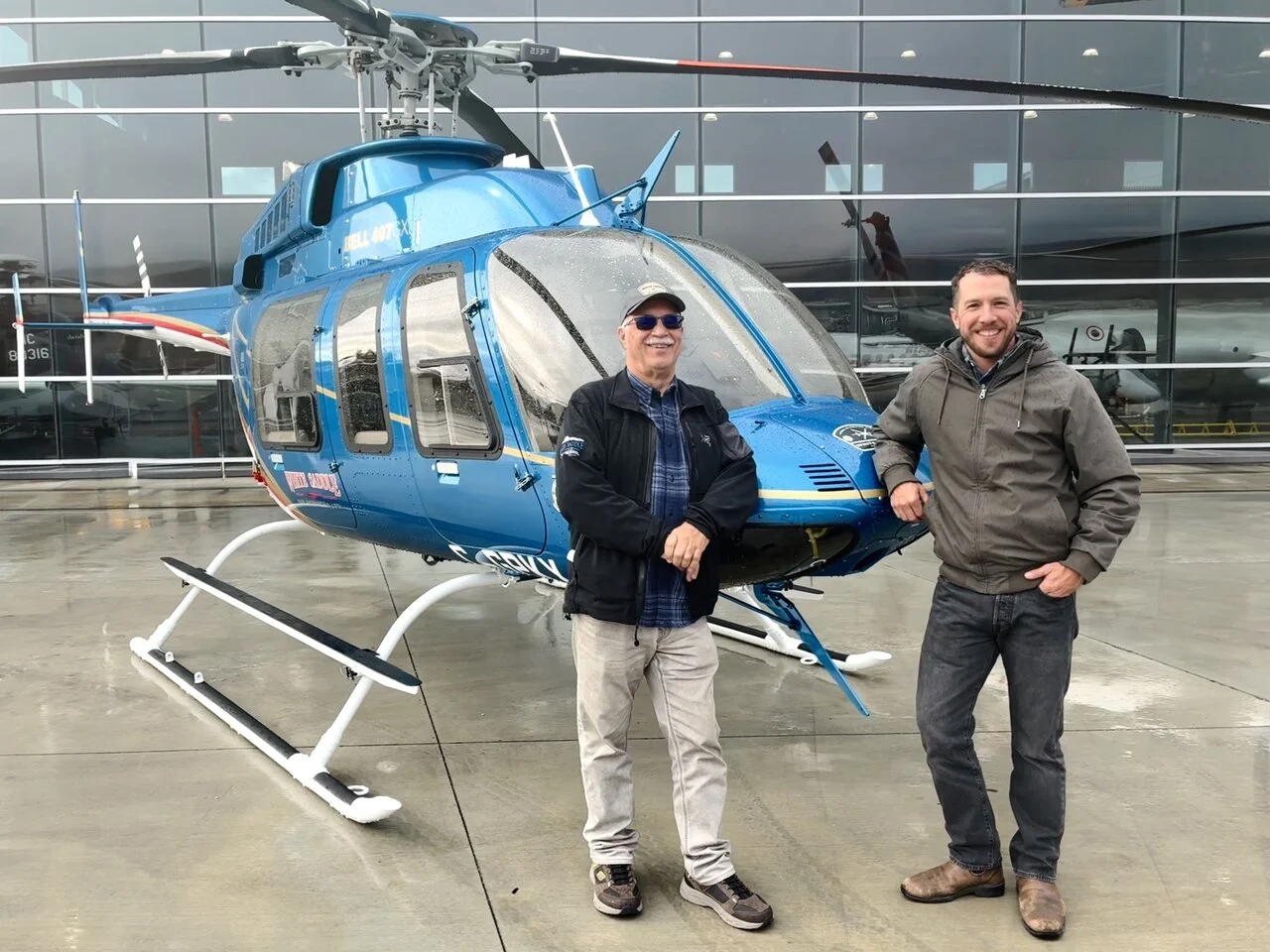
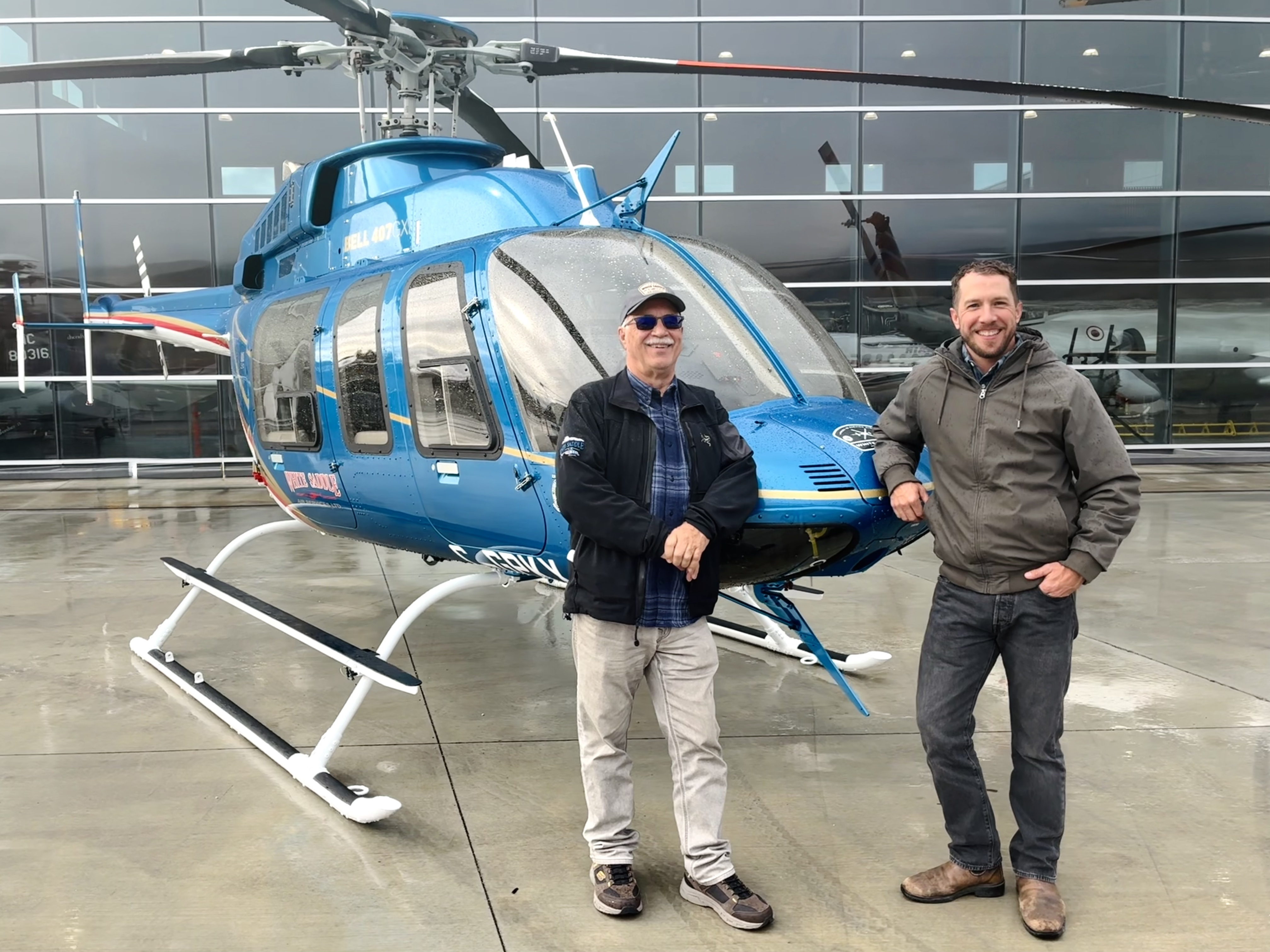
As owner and chief pilot of White Saddle Air Services, Mike runs the company alongside his wife, Audrey King, the general manager, and their son, Patrick King, an engineer and maintenance manager, forming a family team that carries on an aviation tradition deeply rooted in Western Canada.
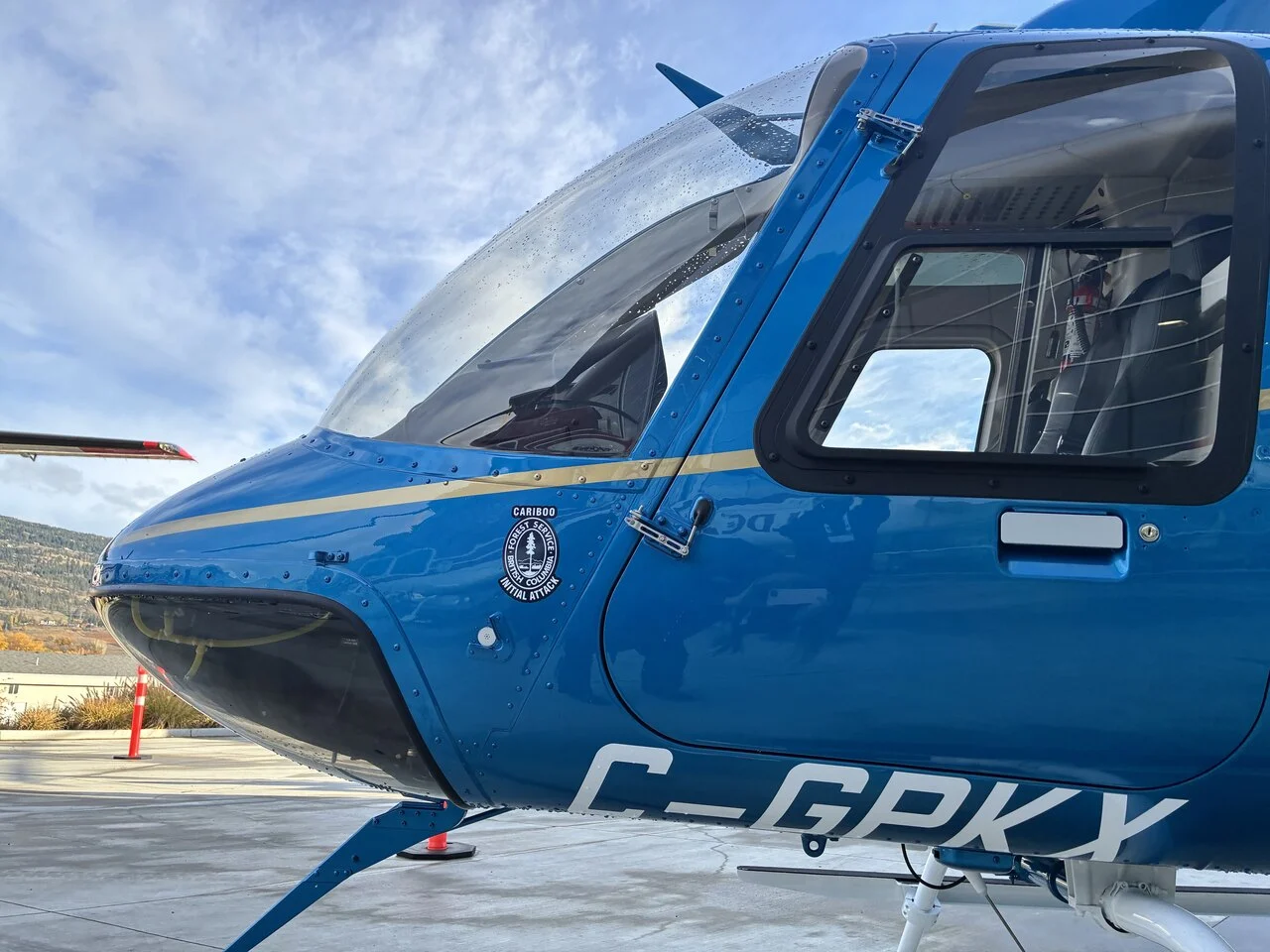
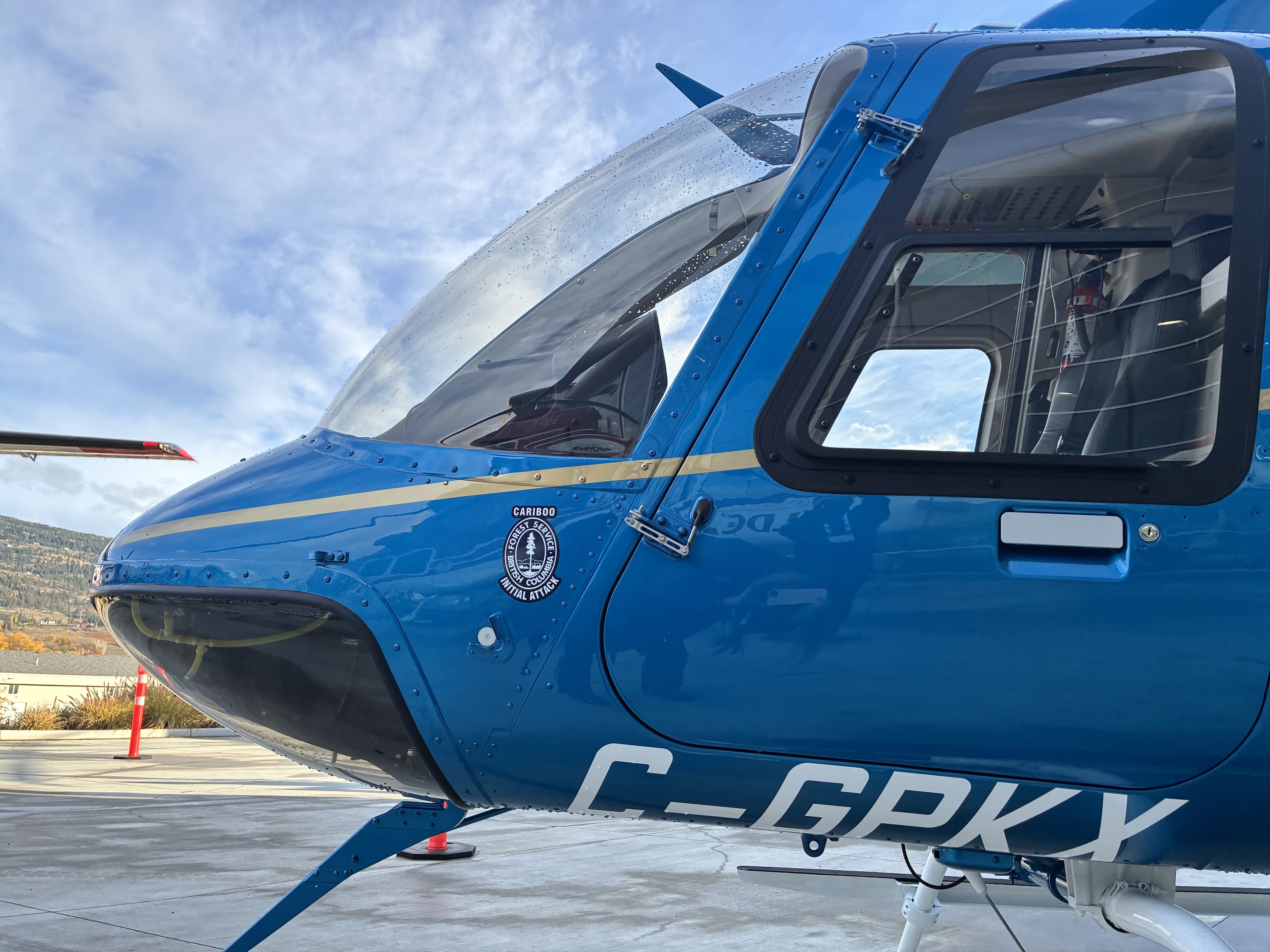
Based in Bluff Lake, near Tatla Lake in the Cariboo Chilcotin region, White Saddle Air operates in the heart of British Columbia, close to the Coast Mountains and Mount Waddington, the province’s highest peak. For nearly five decades, the company has been transporting passengers, personnel, and equipment to some of the country’s most remote and spectacular environments.
The company carries out missions in firefighting, search and rescue, emergency medical support, corporate transportation, and mining, forestry, and industrial exploration.
A Relationship with Bell Dating Back Several Decades
The relationship between White Saddle Air and Bell lies at the heart of the company’s history.
Mike King learned to fly on Bell helicopters and has operated exclusively Bell aircraft since the beginning of his career. After flying several Bell 47s, the King family turned to the Bell 206 JetRanger, which would become a key platform in the company’s growth.
In 1979, Mike purchased his first JetRanger. Since then, he has operated Bell 206L4s, Bell 407s, and Bell 212s, among others, for firefighting operations. His career path reflects a steady evolution toward aircraft capable of supporting increasingly complex missions.
For Mike, this relationship is based as much on the aircraft’s performance as on the trust built up over decades. He appreciates being able to rely on helicopters whose behavior and maintenance he knows well, even under difficult conditions.
jpeg
A Different Perspective on Wildfires
Wildfires play a central role in White Saddle Air’s operations. According to Mike, about 80% of the company’s operations are related to the fire season.
Two years ago, the King family experienced an event that profoundly changed their perspective. A wildfire came dangerously close to their own facilities and their community. White Saddle Air then mobilized its four Bell helicopters and pilots to help contain the fire.
This experience underscored the importance of preparedness, coordination, and equipment reliability. In firefighting, pilots must contend with challenging and ever-changing flight conditions. A helicopter’s ability to deliver power, stability, and good visibility can make a significant difference on the ground.
jpeg
A platform designed for a wide variety of missions
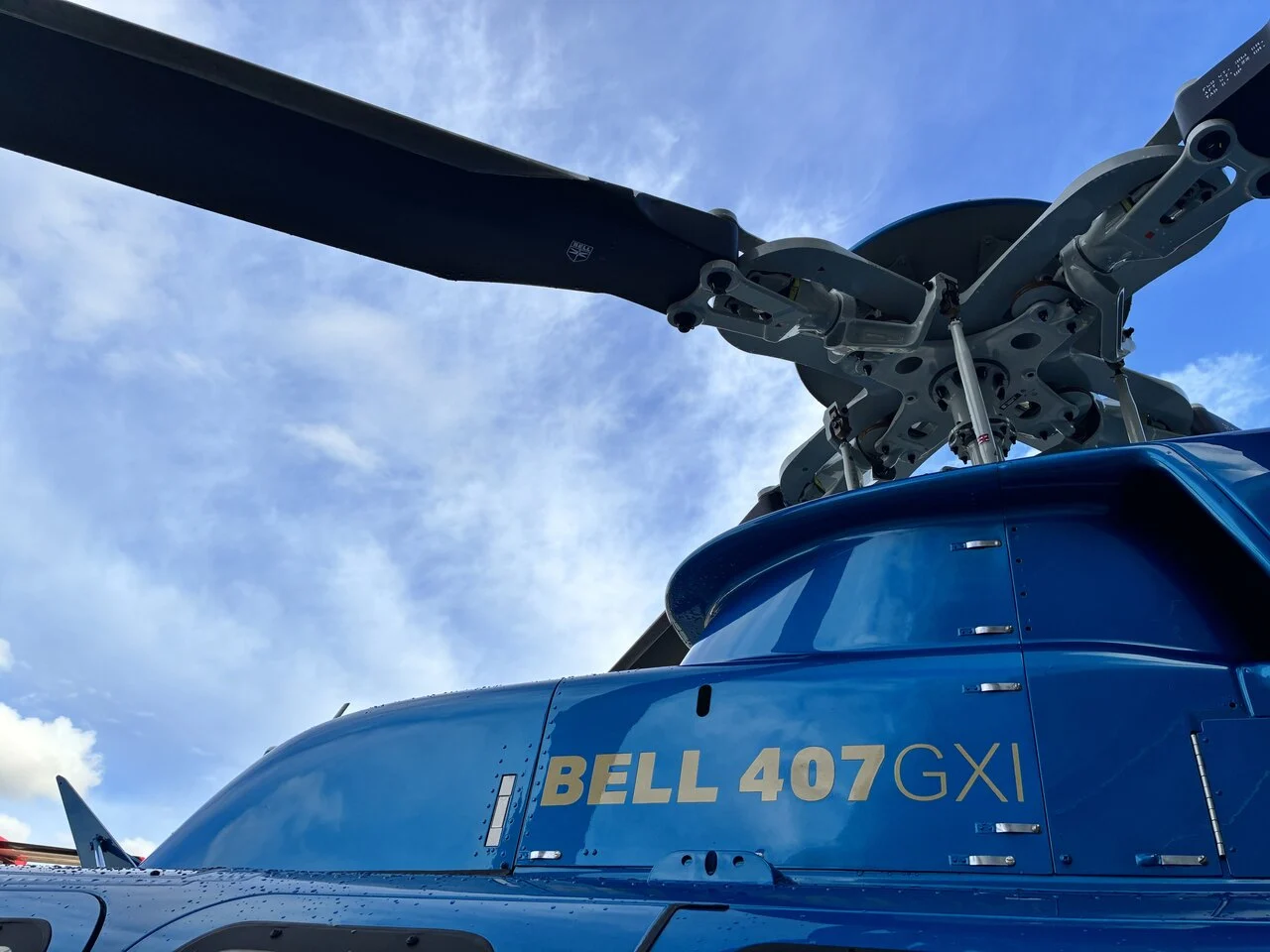
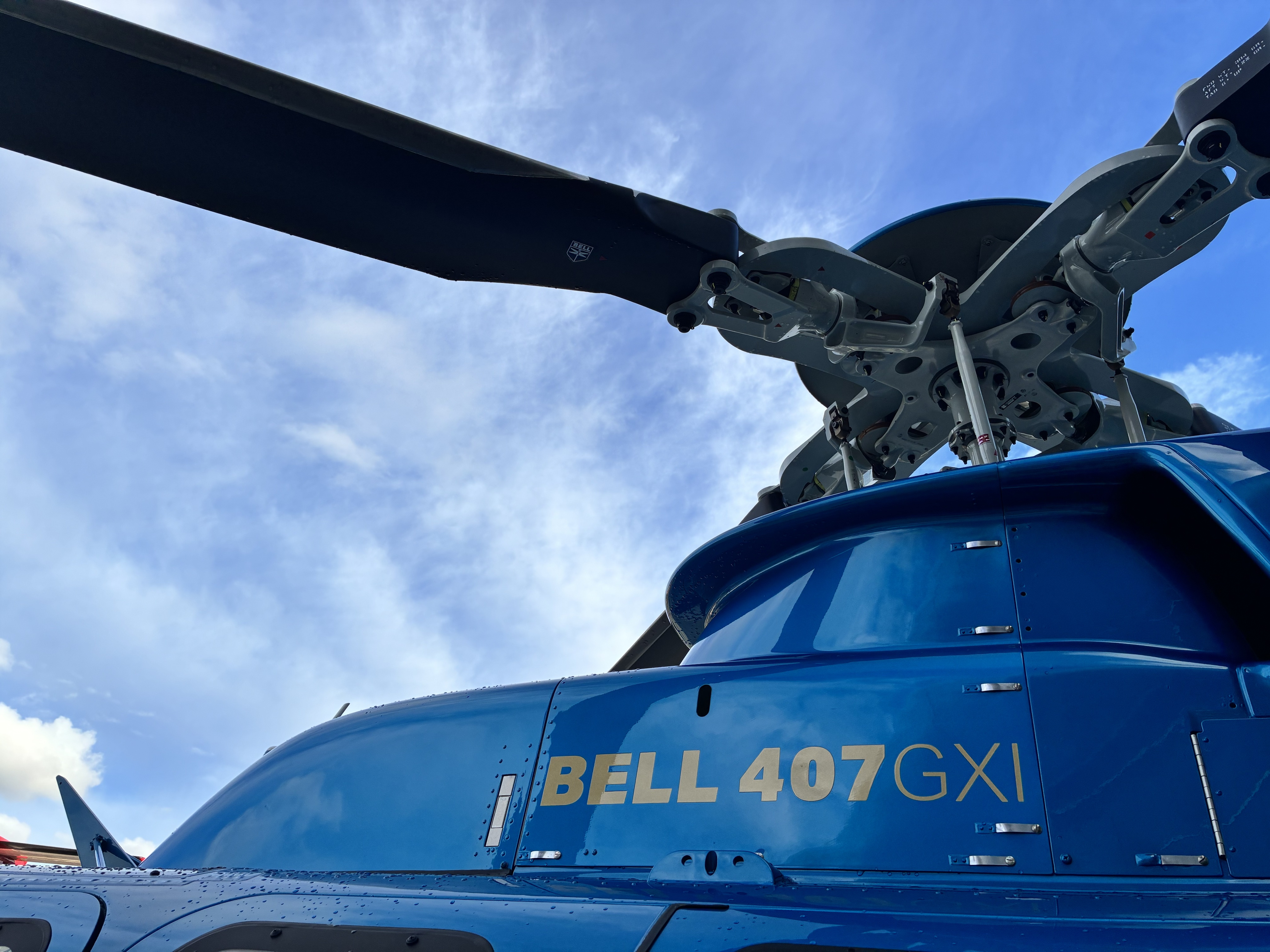
The Bell 407’s versatility is particularly well-suited to White Saddle Air’s operations, which include commercial, specialized, and emergency support missions.
In the Coast Mountains, high-altitude performance, cabin visibility, and configuration flexibility are essential. The Bell 407 can thus transport mountaineers, drop off skiers, or support wildland firefighting and high-altitude rescue missions.
This versatility—which allows the Bell 407 to quickly transition from a commercial mission to a specialized operation—has contributed to its global reputation. Since entering service in the 1990s, it has been used in sectors such as public safety, emergency medical services, utility operations, and corporate transportation.
jpeg
A Milestone for Bell and White Saddle Air
The delivery of the 2,000th Bell 407 marks a significant milestone for Bell and White Saddle.
For Bell, this delivery underscores the longevity and international reach of a platform that has evolved over generations, from the original Bell 407 to the GX, GXP, and GXi models.
For White Saddle Air, it illustrates a relationship built on trust, experience, and the practical use of these aircraft in demanding environments. It also highlights the role of Bell’s commercial center of excellence in Mirabel, whose teams contribute to the production, customization, and delivery of helicopters destined for missions around the world.
Beyond this symbolic milestone, White Saddle Air’s story remains that of a family deeply committed to its region and its customers. With its fleet of Bell helicopters, the company continues its mission in Canada’s most remote regions and is already looking ahead to the coming decades.
Bell Textron and Air Methods announced the signed purchase agreement for three Bell 407GXis to to be added to their fleet along with celebrating a recently accepted delivery of a Bell 429.
Bell celebrates the delivery of HALO-Flight’s new IFR-equipped Bell 407GXi that integrates Bell’s Customer Advantage Plan (CAP) program and GPMS’s Health and Usage Monitoring System (HUMS).
Pilot Nai Nan Ko, Jr. and his mother conquer a transcontinental flight from Boston to Alaska in the Bell 407 GXi, highlighting unparalleled performance and the spirit of aviation adventure.