For Aviation History Month, Bell explores the breakthroughs of its rotor blade developments leading to today’s innovations
“To say the nature of our rotor blade design system has changed significantly over time is an understatement,” said Oliver Horst, manager, Bell’s Rotor Blades Limited. “We’ve come a long way from the early days of wooden blades to the advanced composites we use on our helicopters today. What remained the same is the hard work of our engineers who continued to find new ways to improve performance and durability. It’s exciting to see just how far we’ve come, and where we’re headed next.”
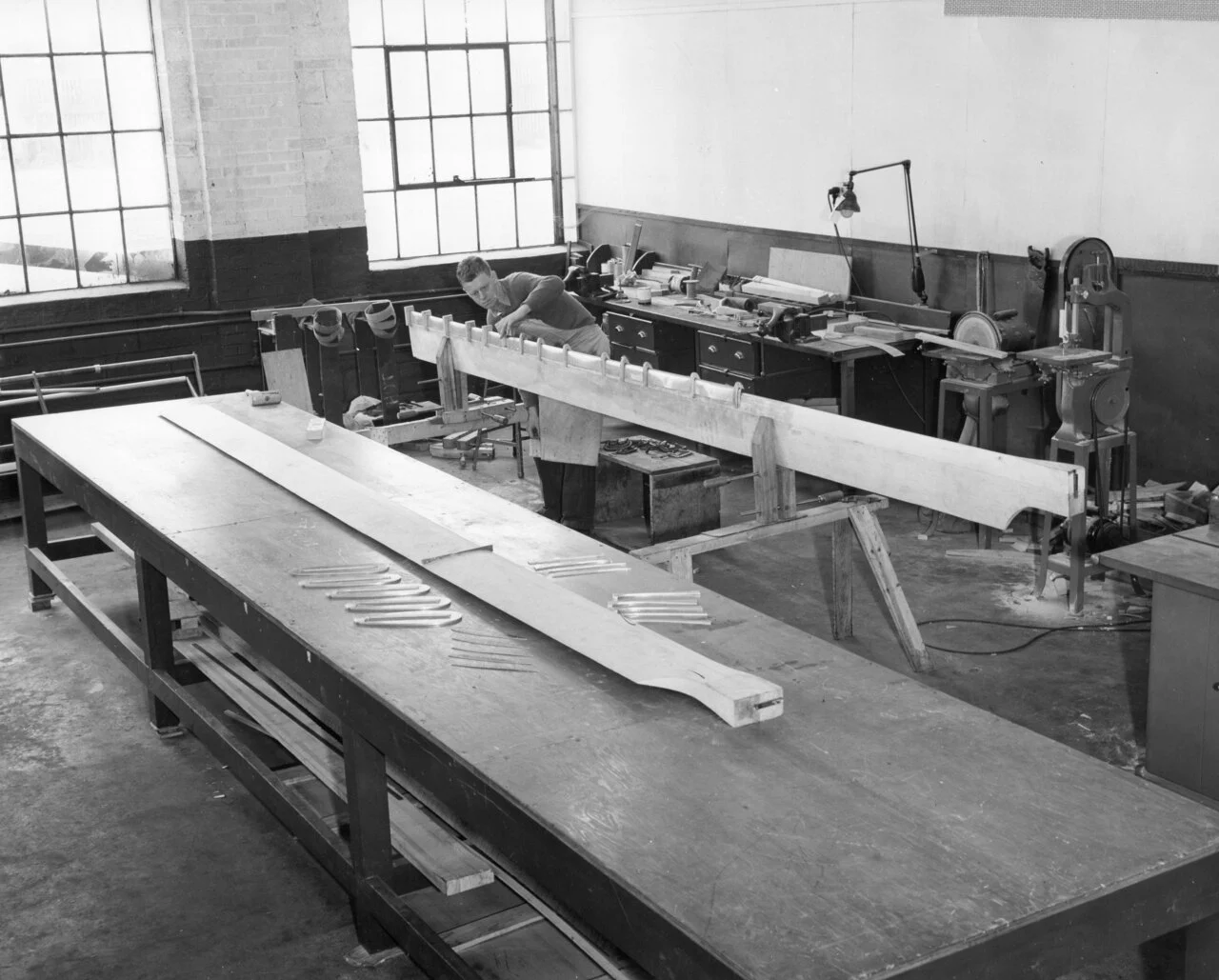
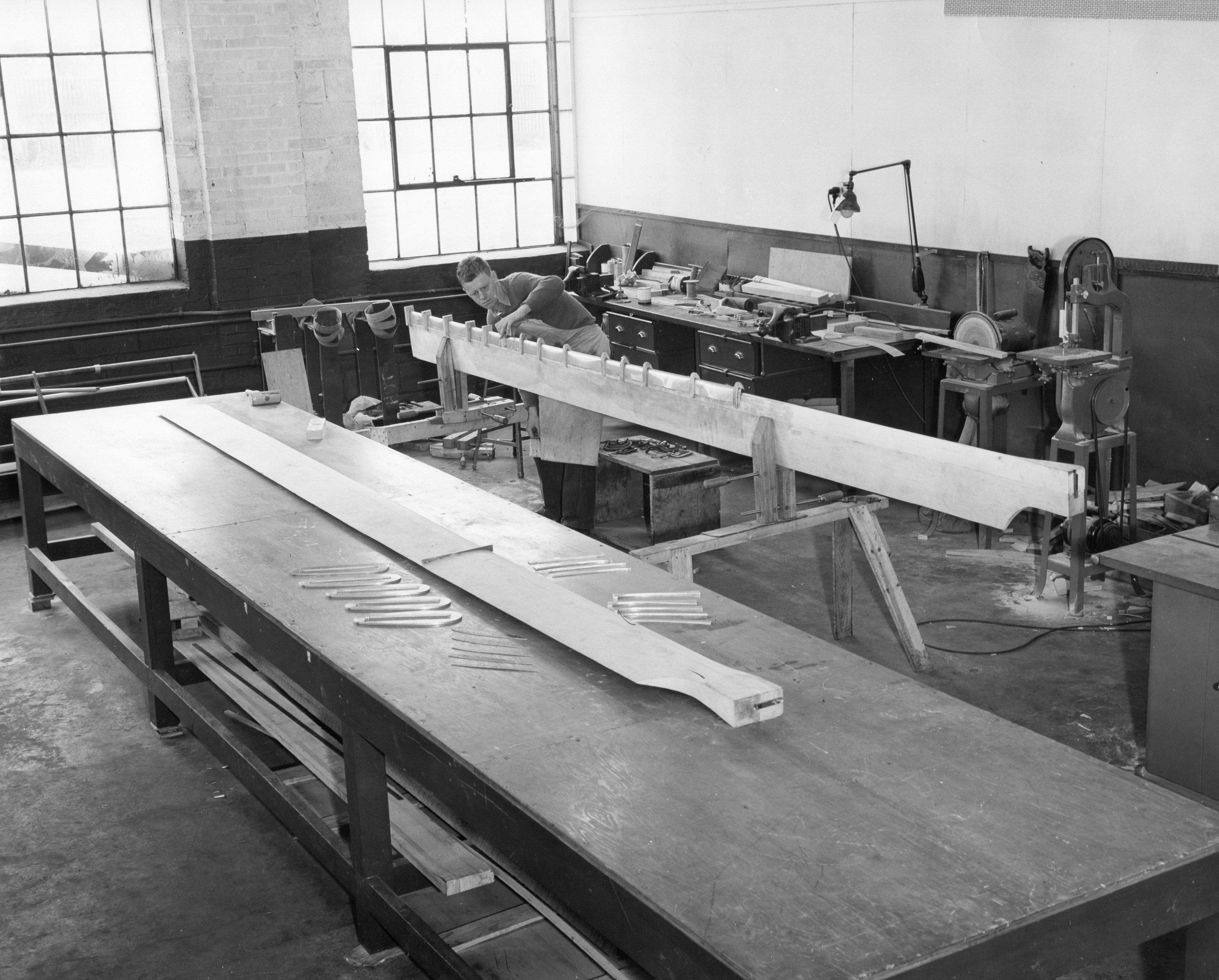
Bell’s early Model 30 used blades made from wooden laminate, with a metal spar leading edge. Their construction used these materials to achieve the strength, weight and shape needed for flight. While this combination of wood and metal preceded Bell’s later development of all-metal and composite blades, it was an approach that helped Bell establish its helicopter business and informed subsequent blade development.
By the 1950s, Bell began introducing metal blades. In 1957, the company fitted the H-13J helicopters used to transport President Dwight D. Eisenhower with all-metal rotor blades to increase their useful load. The change also introduced additional practical benefits, such as greater carrying capability for the aircraft.
However, with metal blades still in their relative infancy, work on the use of composites started to accelerate. In 1972, Bell engineers outlined an all-composite main rotor blade development for the Model 214. It was designed to fit the existing rotor without hub modifications, allowing the new construction to be assessed on an established aircraft. Flight testing recorded lower loads than with the metal blade, while further testing showed greater fatigue strength and, with that, the future of the rotor blade became composite.
With the upgrade to composite materials, engineers discovered that they had more control over a blade’s aerodynamic and structural characteristics.
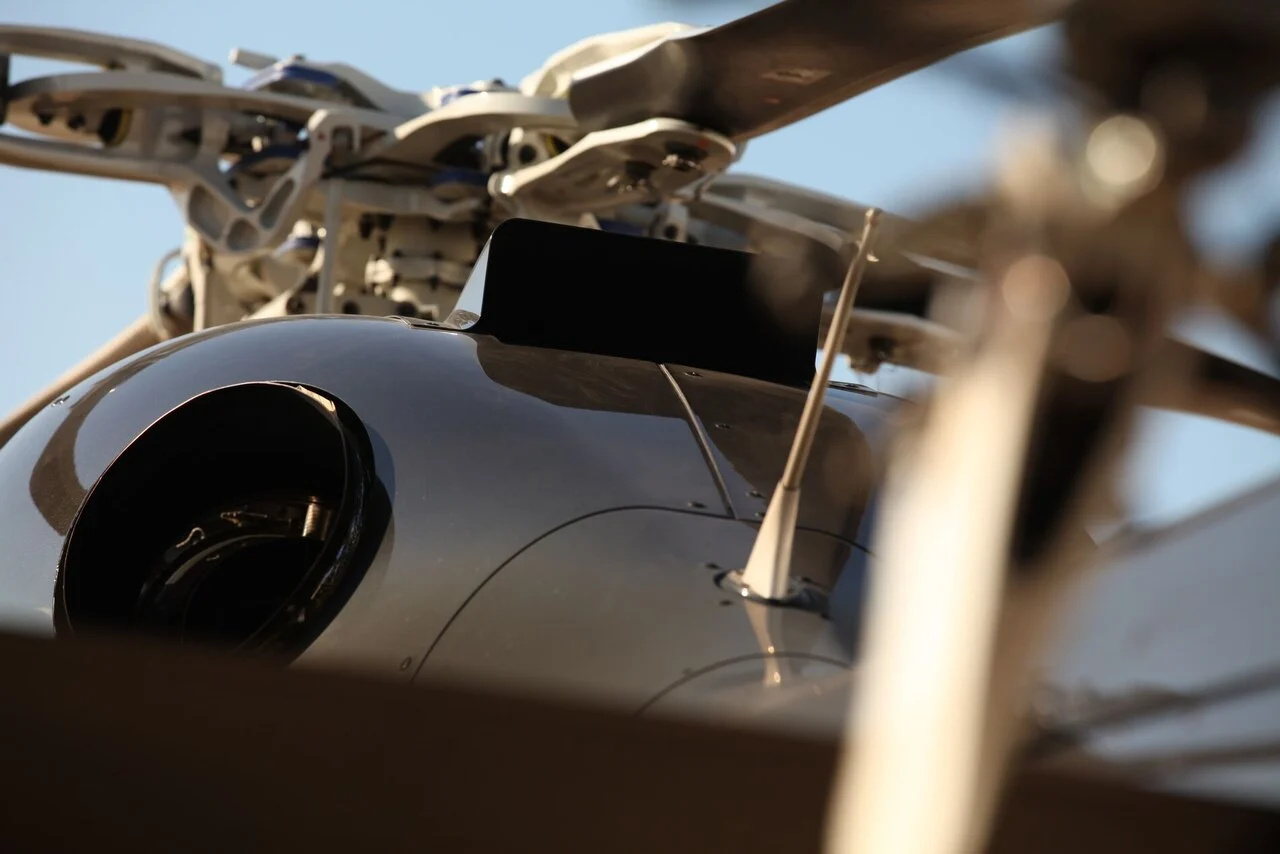
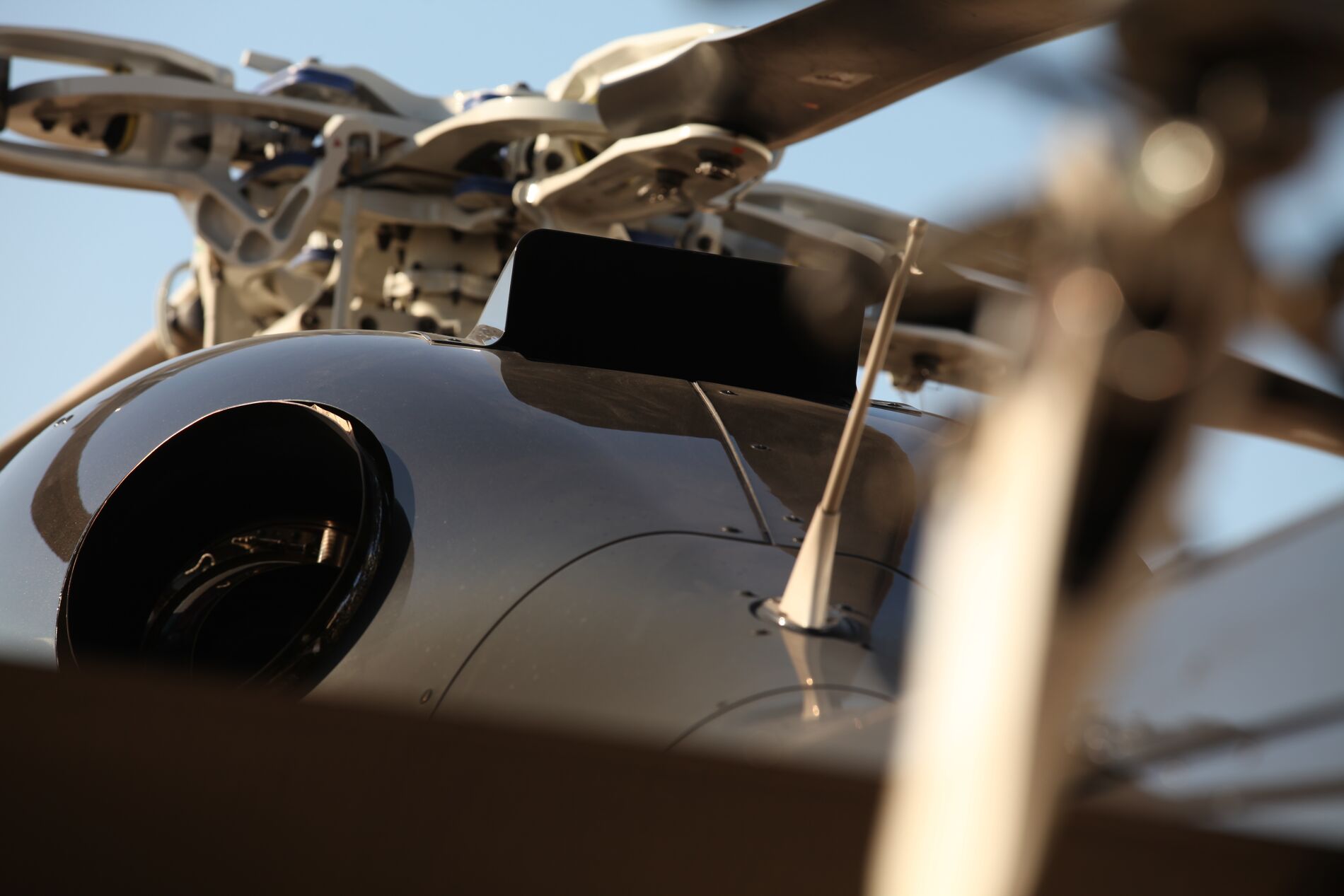
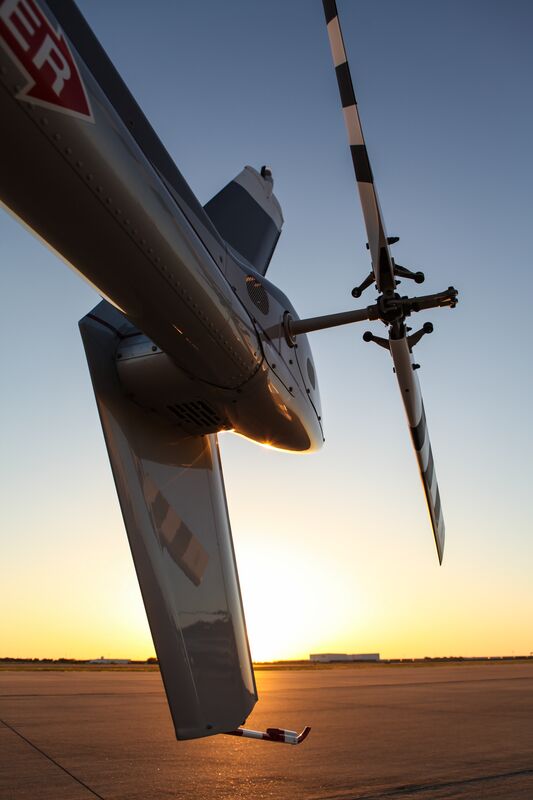
“With composite blades, our teams are able to refine performance and vibration behavior through the design of the blade itself.” added Horst. “The Bell 407GXi is a four-bladed main-rotor aircraft that demonstrates the value of composite construction. Its blades are built primarily from fiberglass composites and reinforced with internal honeycomb cores, providing the strength, flexibility, and durability required for demanding utility operations while keeping weight to a minimum. Metal leading edges provide additional protection in high-wear areas, further enhancing blade durability. It’s a clear example of how composite technology has become an integral part of Bell’s production aircraft.”
At Bell’s Advanced Composite Center in Fort Worth, Texas, rotor blades are one of the key areas of its expertise. The facility combines the specialist production skills needed to turn innovative materials into finished aircraft components and has pushed forward Bell’s experience across several generations of rotorcraft.
Supporting the maintenance and performance of those blades throughout their service lives is equally important. Bell’s global blade support network includes its operation in Broussard, Louisiana and Rotor Blades Limited in Warminster, Wiltshire, England. Bell also has Joint Venture rotor blade service center facilities operating in Dubai and Australia for blade support. Operators can access specialist repair expertise across these locations, with field repairs also accessible to help repair damage closer to where the aircraft are located.
Today, every blade entering Bell facilities receive a full visual examination, with inspection and balancing services performed against OEM data or Bell ‘master’ blades. This combination of manufacturing knowledge and repair capability helps operators maintain aircraft that may span very different generations of blade technology.
“With the materials and engineering talent that we have at Bell today, there’s so many opportunities to keep improving on how our rotor blades perform. As technology continues to evolve, I think we’re only beginning to see what’s possible,” said Horst.
- Gianna Messina
- Commercial Business | Europe, Middle East, Africa
- gmessina@bellflight.com
- tel:682-219-3532