


Test campaigns reinforce Bell’s commitment to delivering a safe and reliable helicopter and demonstrate the Bell 525’s capability in the most austere environments.
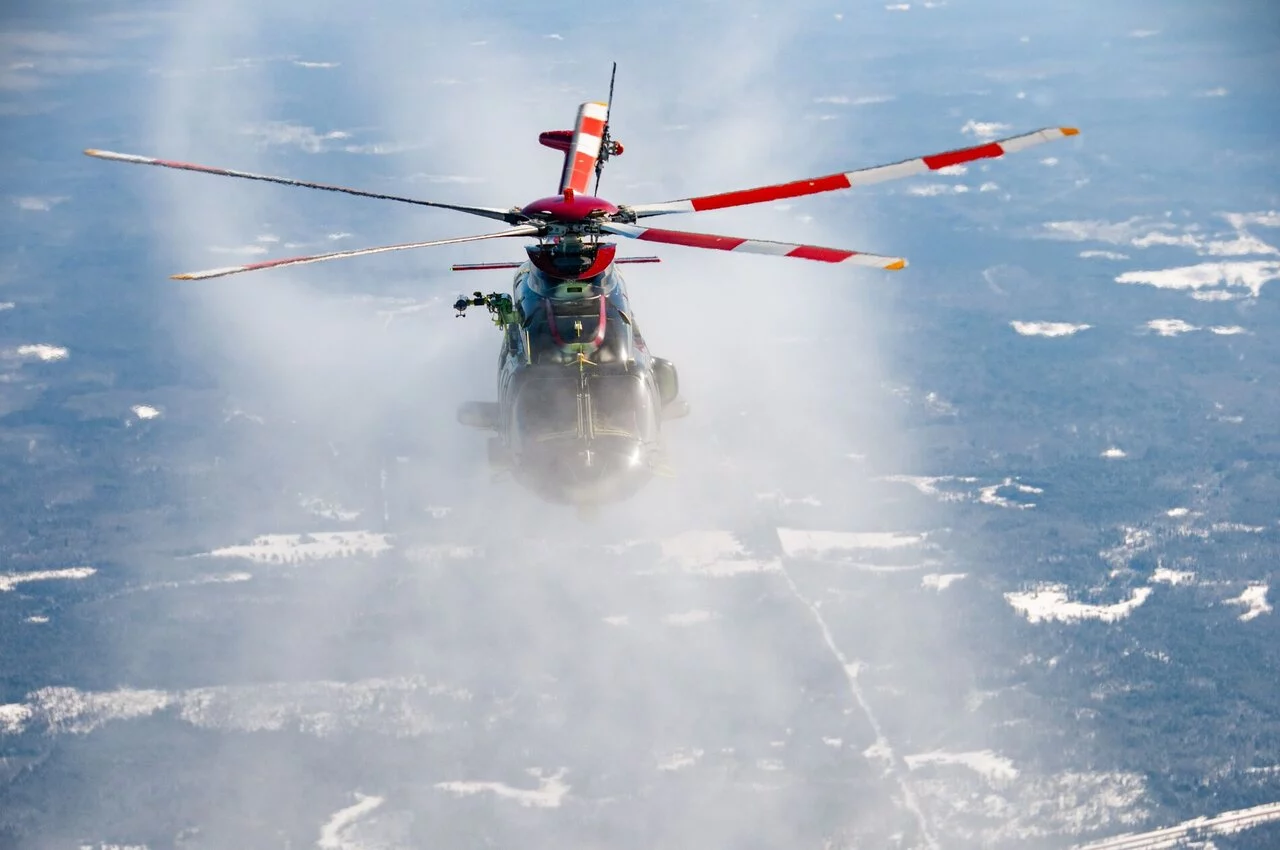
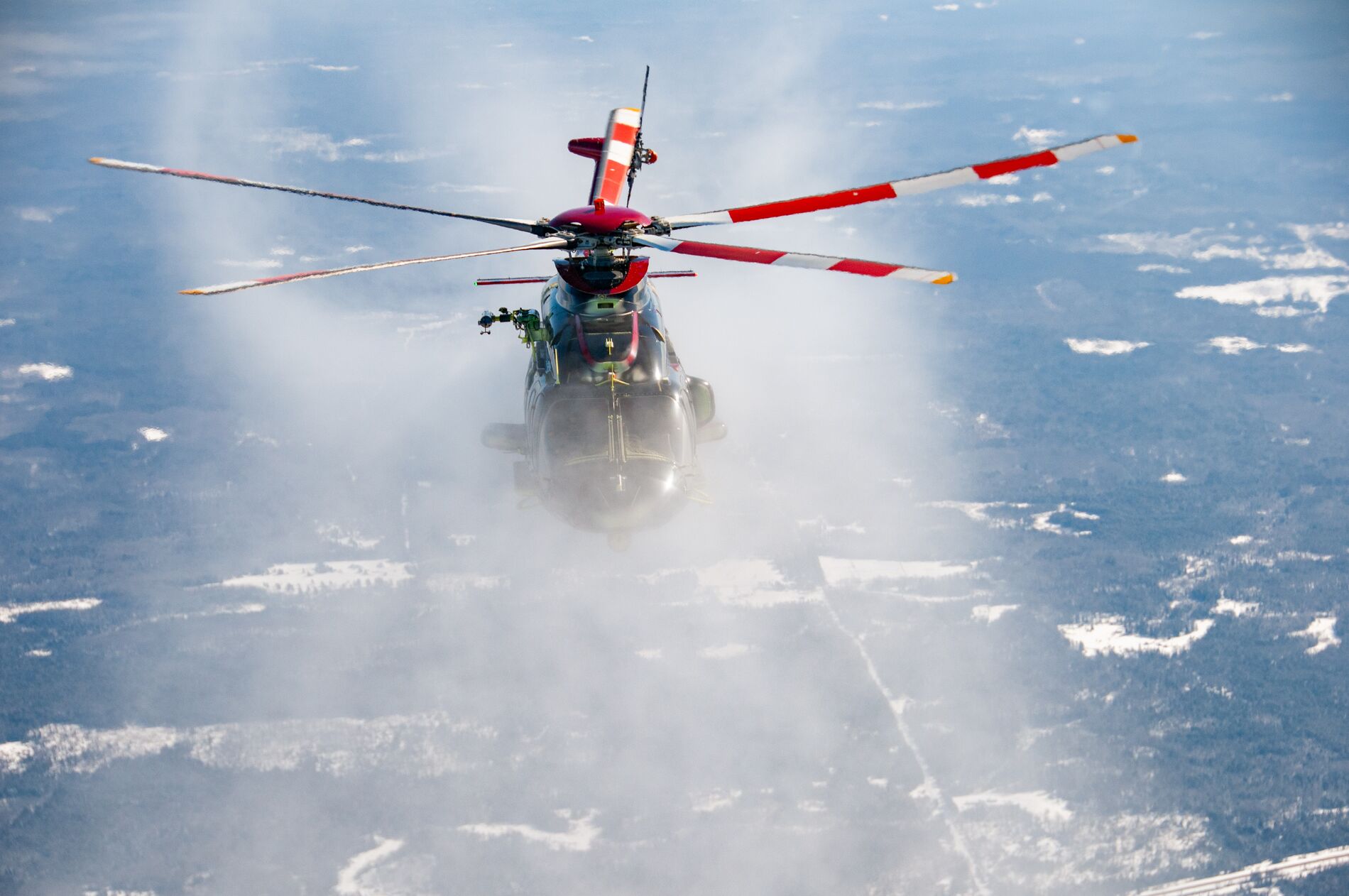
As the Bell 525 continues advancing toward its final stages in the Federal Aviation Administration (FAA) certification process for this revolutionary aircraft, Bell has been aggressively pursuing added capability to this highly anticipated aircraft to ensure it meets the demands of real-world operations and delivers enhanced reliability for customers.
Bell’s Flight Test team recently completed a series of critical evaluations designed to validate the aircraft’s performance in cold and harsh environments as part of the planned capability expansion after initial certification. These efforts included two major offsite campaigns in Yellowknife, Canada and Marquette, Michigan. Testing in Marquette was a multi-year collaboration with the U.S. Army focused on conducting extensive flight testing and data collection.
To get an inside look into the cold weather campaigns, Doug Hamelwright, 525 deputy chief engineer, and test pilots, Pat Lindauer and John Brodnicki, sat down for a Q&A to discuss their success with these campaigns.
A: “Our focus was to demonstrate compliance with certification regulations and mature the aircraft for real-world customer use. Beyond initial type certification, we completed additional campaigns in extreme cold, snow, high altitude and icing to ensure the aircraft performs safely across its full designed operating envelope.”
A: “FAA regulations require operators to validate aircraft performance in every condition the aircraft may encounter. Environmental testing ensures the aircraft is ready for these real conditions before being deployed in those environments.”
A: “Yellowknife offers reliable access to temperatures down to minus 40 degrees, clear flying days and the facilities needed to support our team and aircraft. We evaluated engine and system start-up, warm-up behavior, handling qualities and performance in dense, cold air. Overall, the aircraft performed very well.
Marquette benefits from lake-effect conditions that bring moisture into winter systems moving through the area, making it an ideal location for icing testing of rotorcraft.
In both of these offsites, our flight test team learned a great deal about operating our aircraft in these environments, which we believe will benefit our customers.”
A: “Each season allowed us to refine the system and verify improvements. We adjusted both hardware and software in the IPS control system to achieve the performance and reliability we were targeting.”
A: “Developmental testing is where we push the prototype, learn and make modifications. Certification testing is the formal demonstration that the mature aircraft meets regulatory requirements.”
A: “Redstone was essential. They brought icing test expertise and helped guide our team, which was especially valuable since we are relatively new to icing tests. We couldn’t have completed the program safely without them.”
As Bell continues to work towards Type Certification (TC), the company has continued to lean forward and execute these post-TC cold weather and icing campaigns. The insights and refinements gained from this testing directly support expansion of capability, which will be brought to market as part of Bell’s near-term plans.